Guides
The Ultimate Guide to Music for Sleeping YouTube Channels and the Science of Sound
A comprehensive guide to the science, the top channels, and the clinical evidence behind sleep music on YouTube.

If you struggle with sleep, finding the right music for sleeping youtube playlist can be a clinical intervention. According to the Health in Aging Foundation, an estimated 40% to 70% of older adults have ongoing sleep problems, and over 40% experience insomnia. While many turn to pharmaceutical aids, acoustic therapy offers a non-pharmacological alternative that works directly on the nervous system. Clinical research confirms that low-arousal audio can alter your brainwaves, slow your heart rate, and lower your cortisol levels.
This guide details the neurological science behind sleep-inducing frequencies, ranks the 12 best YouTube channels for deep sleep, and provides a step-by-step blueprint for building your own nighttime soundscape.
Why Music Helps You Sleep: The Science in 90 Seconds
Sound therapy is not just a psychological distraction. It is a biological tool that triggers parasympathetic activation, the physiological state required for rest and recovery. When you listen to relaxing music, your body undergoes a series of measurable changes: your heart rate slows, your blood pressure drops, and your muscles relax.
A meta-analysis of five randomized controlled trials (RCTs) involving 288 participants found that music therapy reduced the Pittsburgh Sleep Quality Index (PSQI) score by a mean difference of −1.96 (P = .003) compared to control groups. This reduction indicates a statistically significant improvement in subjective sleep quality, sleep latency, and daytime dysfunction.
Physiological sleep induction relies on three primary acoustic mechanisms:
- Acoustic Masking: Constant, low-frequency soundscapes cover sudden environmental noises, such as traffic or a creaking floor, preventing micro-arousals that disrupt sleep cycles.
- Neural Entrainment: The brain naturally synchronizes its electrical activity to external rhythmic stimuli. Listening to slow-tempo audio or binaural beats for sleep in the delta frequency band (0.5 to 4 Hz) encourages the brain to transition into deep, slow-wave sleep.
- Cognitive Distraction: Predictable, non-lyrical music occupies the default mode network of the brain. This reduces the cognitive processing power available for stressful thoughts, anxiety, and mental chatter.
The tempo of the music is critical. Research shows that calming music tempos of 60-80 BPM are the most effective for sleep induction because they match the human resting heart rate.
The physiological benefits of this synchronization are measurable. A study published in Scientific Reports via PMC demonstrated that slow-wave sleep time increased by +46.18% in low-suggestibility participants who listened to relaxing music before a daytime nap, as measured by polysomnography.
Furthermore, these acoustic benefits compound over time. In adults who used music therapy for more than 4 weeks, the PSQI improvement deepened to a mean difference of −2.61. This proves that regular bedtime listening builds a conditioned relaxation response, making it easier to fall asleep night after night.
Creating High-Demand Sleep Channels with Chillframe

Sleep music is one of the highest-volume categories on YouTube. Every night, millions of search queries for sleep tracks generate billions of automated, long-form views. The catch is supply: building a sleep music channel has historically meant days of rendering, audio licensing, and video editing.
Chillframe solves this problem for creators. It gives you a faceless YouTube channel that runs itself, generating and publishing content hands-off to build compounding watch-time. It turns a simple theme into a finished, ready-to-publish video, allowing you to build a content library while you sleep.
Here is what your channel gets, night after night, without you touching a timeline:
- Original Music Generation: Chillframe writes original, studio-quality lofi tracks that blend into a gapless, continuous soundtrack. This is ideal for the
ambient-sleeptheme, providing the predictable, low-arousal audio that sleep listeners require. - Original Visual Generation: The tool creates looping visuals tuned to your chosen theme. The Lite tier provides static image loops, while the Plus and Ultra tiers add motion. The Ultra visual tier supports 4K (3840x2160) resolution, while 1080p is standard across all tiers.
- Video Runtime: Every video runs up to 1 hour, and that ceiling is the same on every tier - length is never something you have to upgrade for. Each episode loops cleanly to the runtime you pick, so an hour of sleep audio plays as one continuous, gapless soundscape rather than a playlist with seams in it.
- Themes and Environmental Layers: Select from seven distinct themes, including
ambient-sleep,rainy-tokyo,jazzhop,study-boombap,synthwave,future-garage, andcitypop. Several of these themes carry a matched ambient texture, like rain in rainy-tokyo or a soft fire in ambient-sleep. - Deeper Series Automation: The Series feature keeps your channel fed by generating fresh videos on a scheduled cadence (1 to 7 per week) on your chosen days and times.
- Direct Channel Connection: Connect your YouTube channel in a click. Finished episodes publish straight to your channel on schedule, complete with auto-generated optimized titles and thumbnails.
- Creator Analytics: Track your progress with integrated creator analytics that show watch-time and growth signals directly inside your dashboard.
You can start building your automated channel on a card-required-upfront 3-day trial with $0 due today: 45 credits, Lite-only, one video of up to 30 minutes, plus 2 track re-rolls. From there, monthly credits scale with your plan (Starter 76, Creator 196, Pro 396, Max 796), and your Series count grows with it too - 1 Series on Starter, 3 on Creator, unlimited on Pro and Max.
The 12 Best YouTube Channels for Sleep Music (Ranked by Use Case)
1. Soothing Relaxation
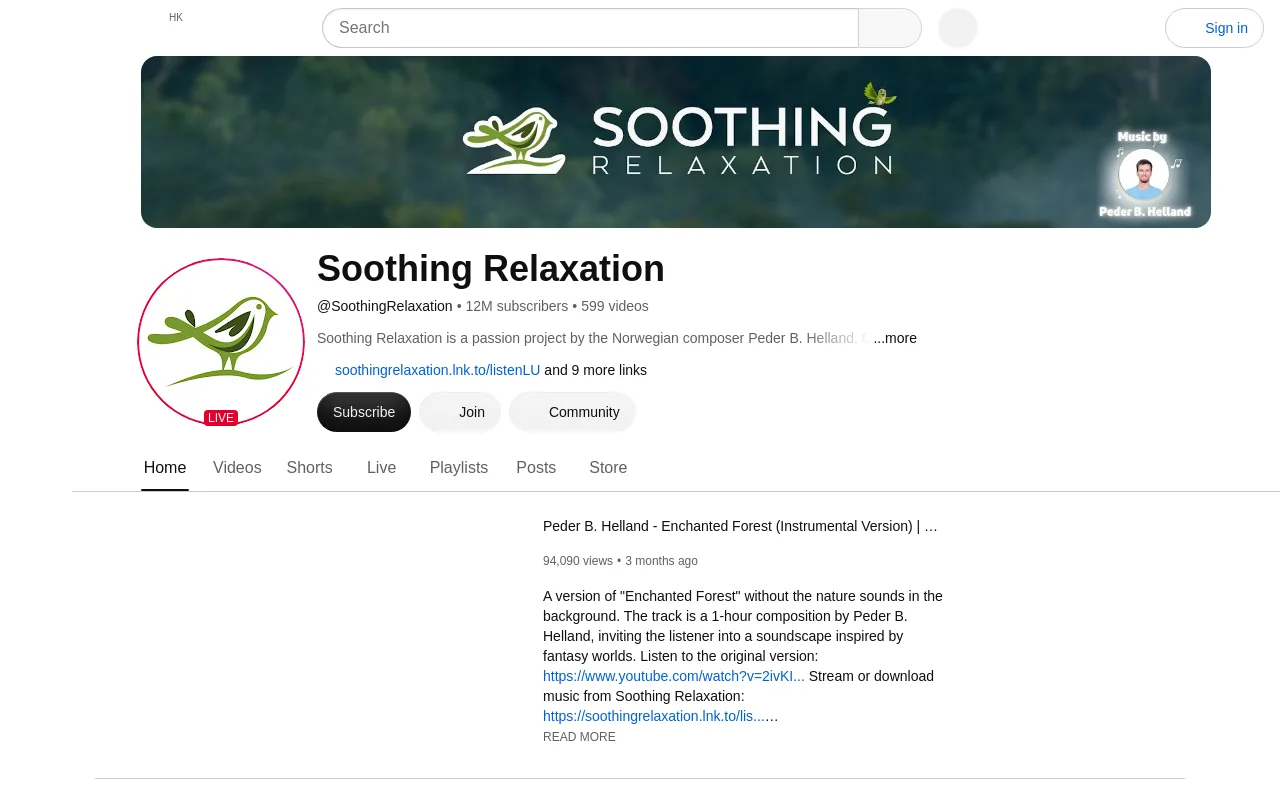
- Subscribers: 12 Million
- Content Format: 10-hour videos, piano and acoustic hybrids, static nature visuals
- Recommended For: Best overall relaxation and deep sleep
- Example Video: "Far Away 10 Hours" (https://www.youtube.com/watch?v=dImlzN_cqp4)
Soothing Relaxation, curated by Norwegian composer Peder B. Helland, is the gold standard for acoustic sleep music. The channel focuses on soft piano, flute, and gentle acoustic guitar arrangements layered with real-world nature sounds. The compositions avoid sudden volume swells or key changes, maintaining a steady, low-arousal profile.
2. Yellow Brick Cinema
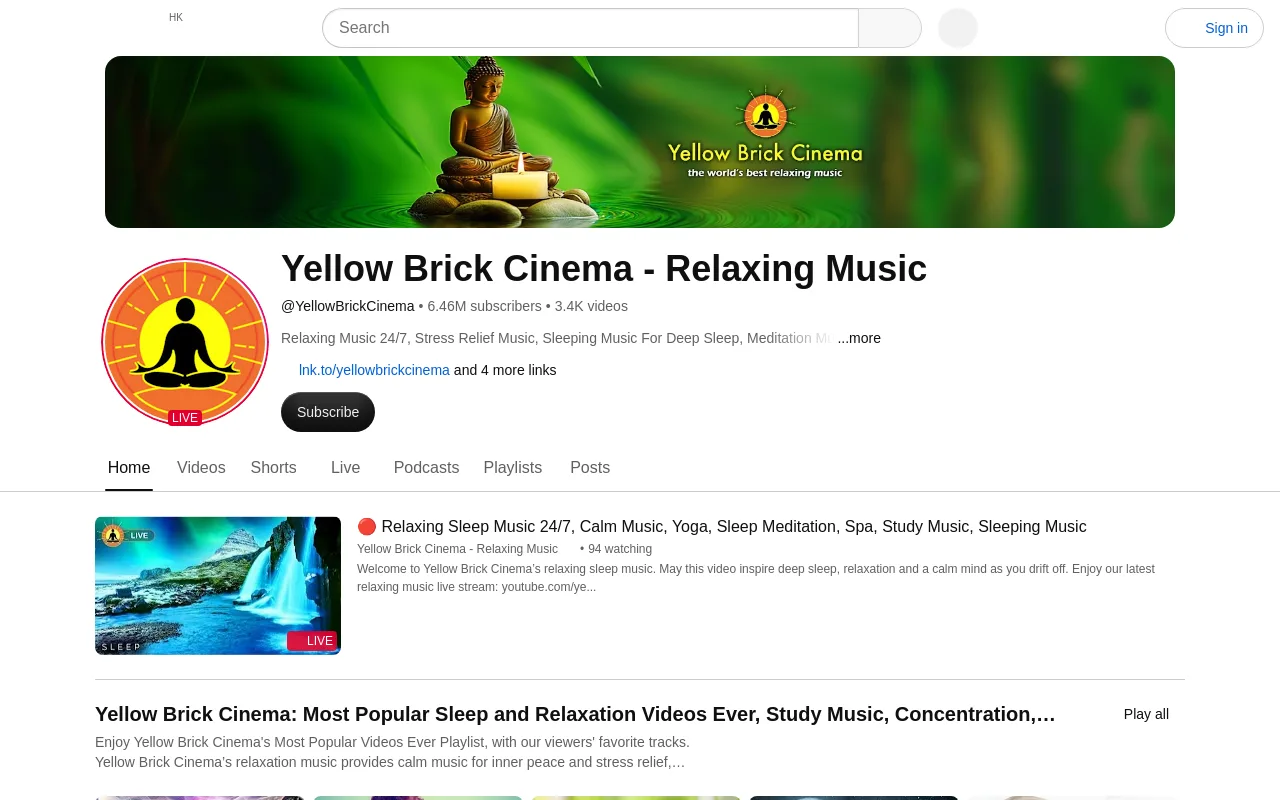
- Subscribers: ~6 Million
- Content Format: 8-hour live streams, multi-hour video uploads, minimal ad density
- Recommended For: Deep sleep and continuous nighttime streaming
- Example Video: Live Sleep Music Stream (https://yellowbrickcinema.com/)
Yellow Brick Cinema provides continuous, long-form instrumental music. The channel is famous for its 24/7 live streams, which are ideal for users who do not want to manage playlists. Their tracks utilize soft synthesizers, classical harp, and slow-tempo strings designed to reduce cognitive arousal.
3. Meditative Mind
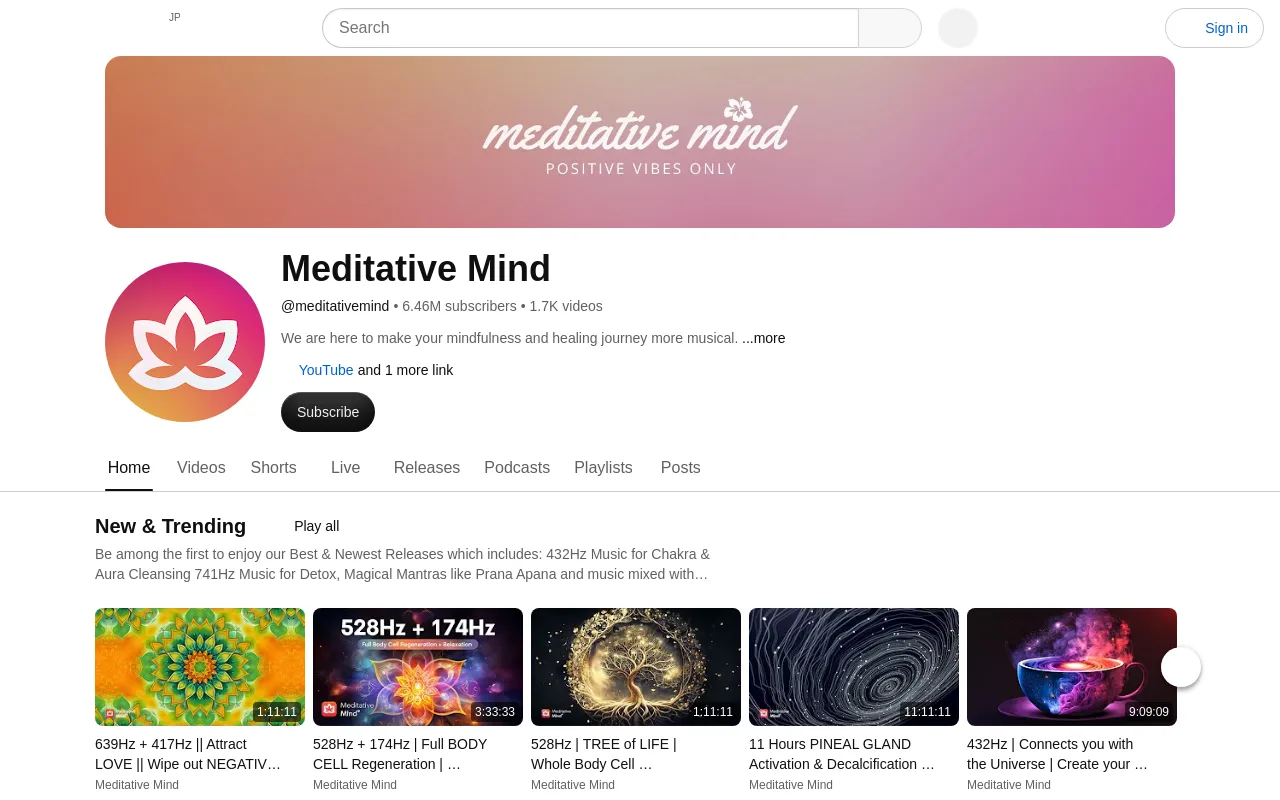
- Subscribers: 6.45 Million
- Content Format: Solfeggio frequency tracks (528 Hz, 432 Hz), rain and thunder fusions
- Recommended For: Frequency-focused listeners and rain lovers
- Example Video: Rain Sounds for Sleeping Guide (https://meditativemind.org/rain-sounds-sleeping-epic-thunder)
Meditative Mind specializes in combining Eastern meditative instruments, such as Indian flutes and singing bowls, with specific audio frequencies. The channel is highly regarded for its rain and thunder fusions, which provide excellent broadband masking for noisy bedrooms.
4. Nu Meditation Music
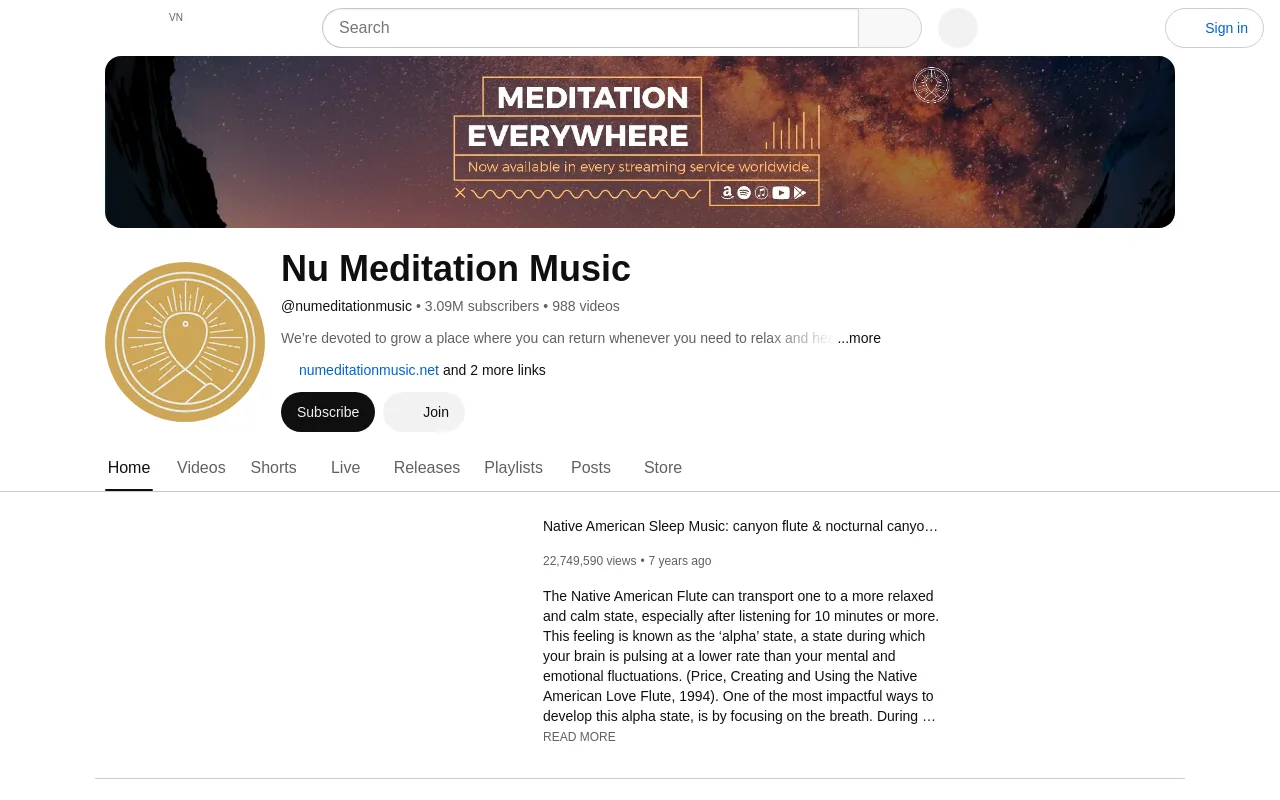
- Subscribers: 3.09 Million
- Content Format: Short sleep-onset triggers, high-concept visual themes
- Recommended For: Quick sleep onset and evening meditation
- Example Video: "Sleep INSTANTLY" (https://www.youtube.com/watch?v=z5OClQeHugE)
Nu Meditation Music focuses on deep, rhythmic ambient pads and slow-tempo percussion. Their videos are designed as sleep-onset triggers, helping listeners transition from active daytime thinking to a relaxed state within 30 to 45 minutes.
5. MeditationRelaxClub
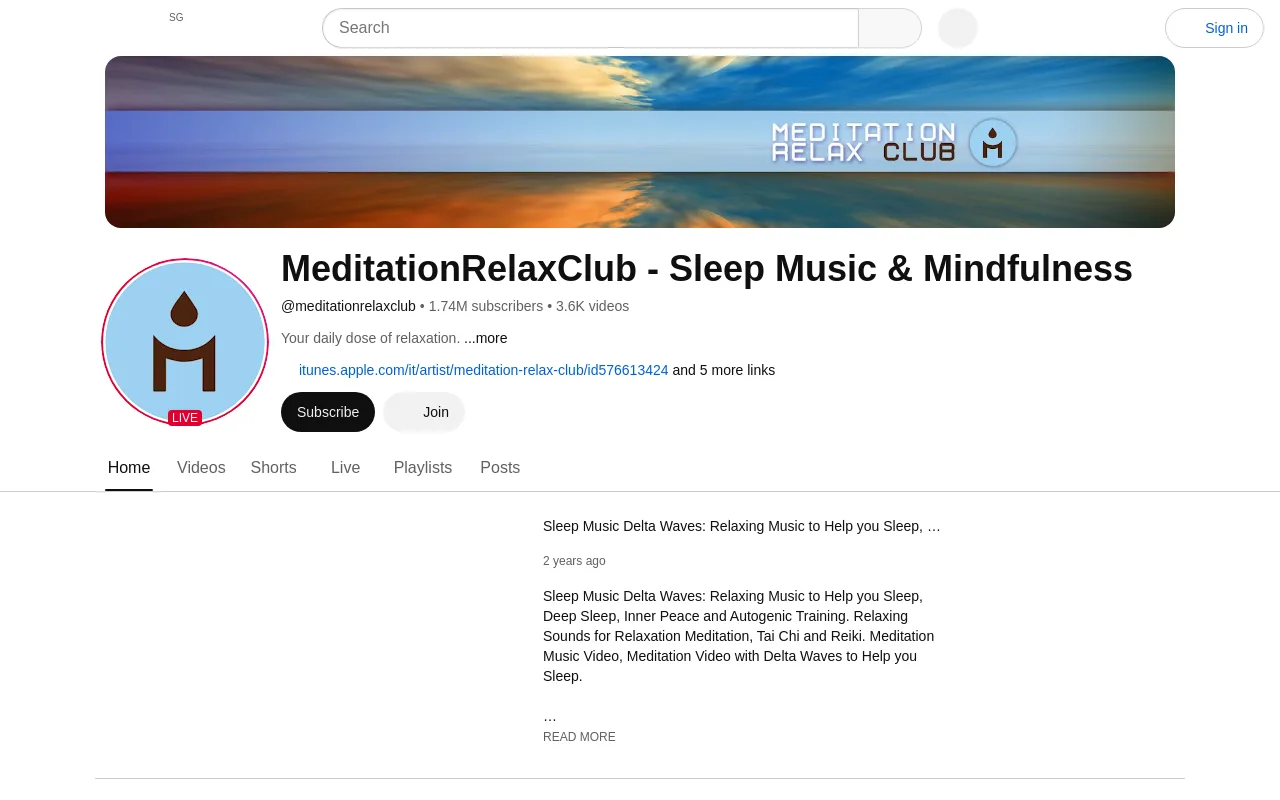
- Subscribers: ~1.7 Million
- Content Format: Zen ambient instrumentals, minimal loop animations
- Recommended For: Overthinking insomniacs
- Example Video: Zen Meditation Playlist (https://www.youtube.com/channel/UCbpIb7eGuCVFPfX6U-6z1Og)
MeditationRelaxClub offers a mix of lounge, chillout, and traditional zen music. Their tracks use deep bass frequencies and repetitive melodic structures to quiet an overactive mind, making them highly effective for stress-driven insomnia.
6. Jason Stephenson - Sleep Meditation Music
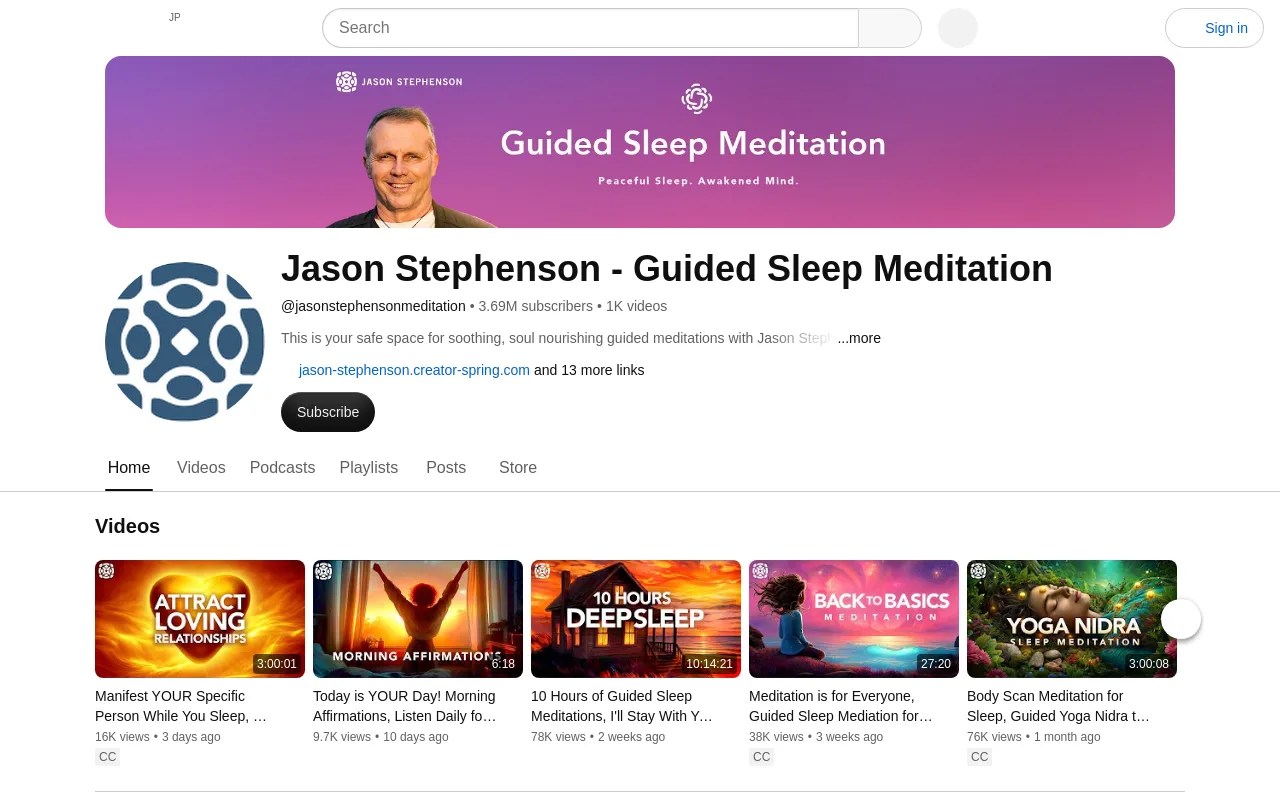
- Content Format: Guided sleep talk-downs, spoken word layered with ambient music
- Recommended For: Listeners who dislike pure instrumentals
- Example Video: Guided Sleep Release (https://betweenthekeys.substack.com/p/the-best-meditation-music-top-20)
Jason Stephenson is a pioneer in guided sleep meditations. His channel combines soothing vocal instruction, progressive muscle relaxation, and visualization techniques with soft ambient backdrops, giving the mind a gentle focal point to prevent racing thoughts.
7. Michael Sealey
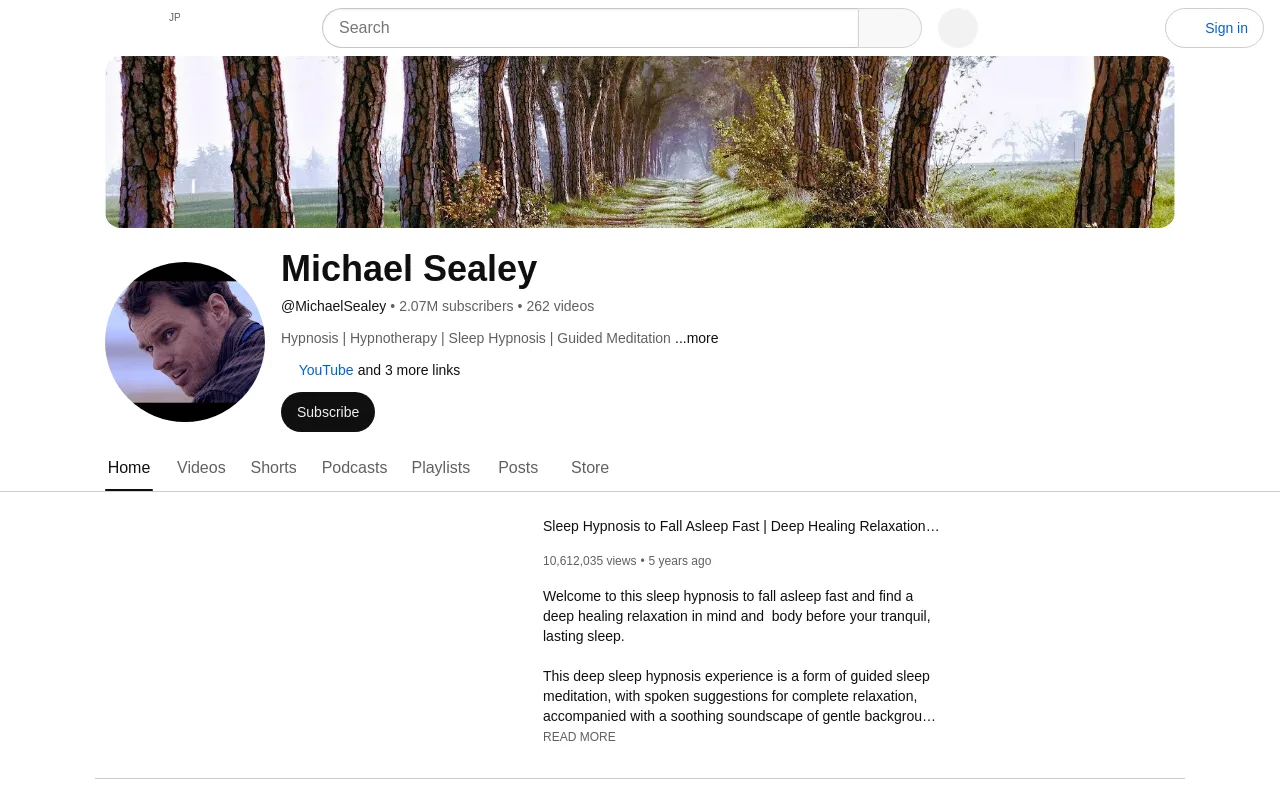
- Content Format: Sleep hypnosis, guided imagery, rain-layered audio
- Recommended For: Stress-driven chronic insomnia and clinical anxiety
- Example Video: Sleep Hypnosis for Anxiety (https://betweenthekeys.substack.com/p/the-best-meditation-music-top-20)
Michael Sealey uses clinical hypnosis techniques, deep relaxation suggestions, and cognitive reframing to help listeners fall asleep. His voice is deep and slow, designed to guide the brain into a highly suggestible, relaxed state.
8. RelaxMyDog & Relax My Cat
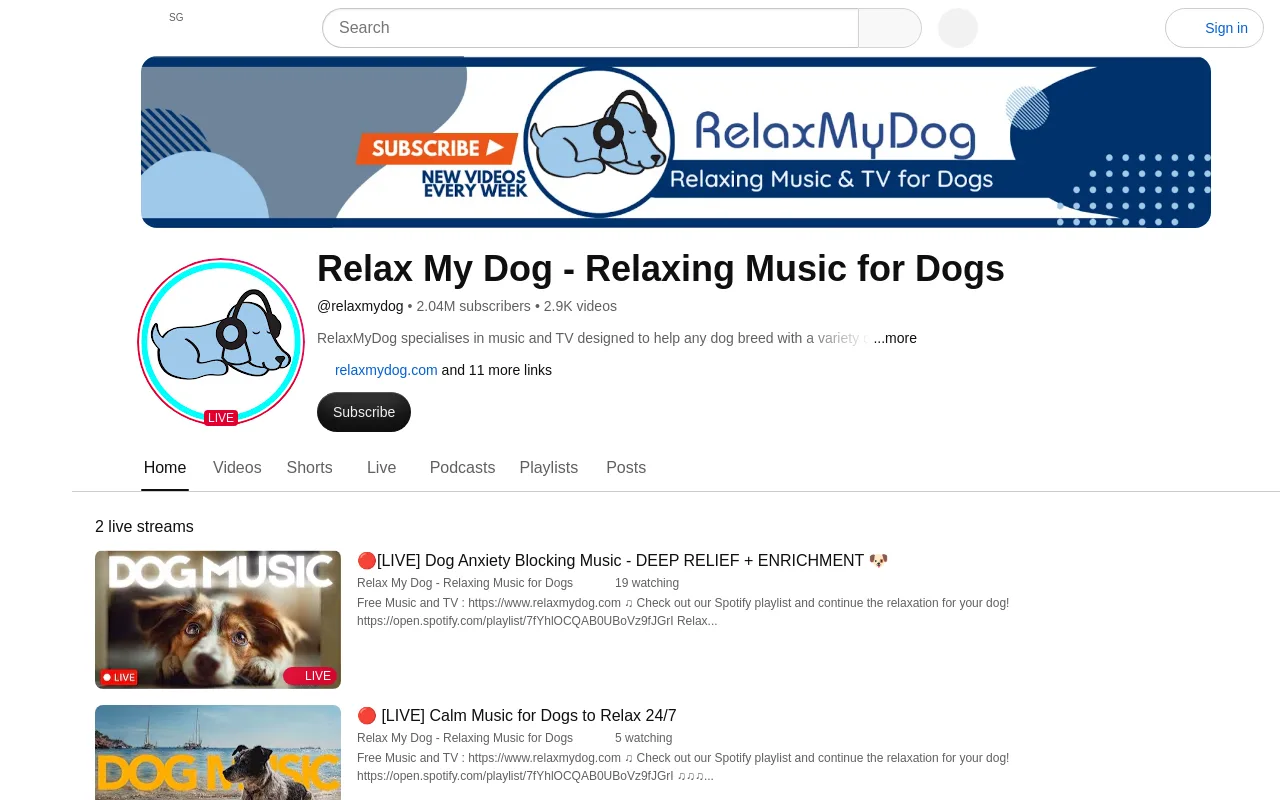
- Subscribers: 2 Million (RelaxMyDog) / 1.1 Million (Relax My Cat)
- Content Format: Species-specific frequency music, simple looping animations
- Recommended For: Anxious pets, separation anxiety, and fireworks
- Example Video: Calming Music for Dogs (https://videos.feedspot.com/sleep_music_youtube_channels/)
These sibling channels design music specifically for domestic pets. The compositions use frequency sweeps and acoustic arrangements tailored to the sensitive hearing ranges of dogs and cats, helping to soothe separation anxiety and noise phobias.
9. Hey Bear Bedtime & Baby Relax Channel
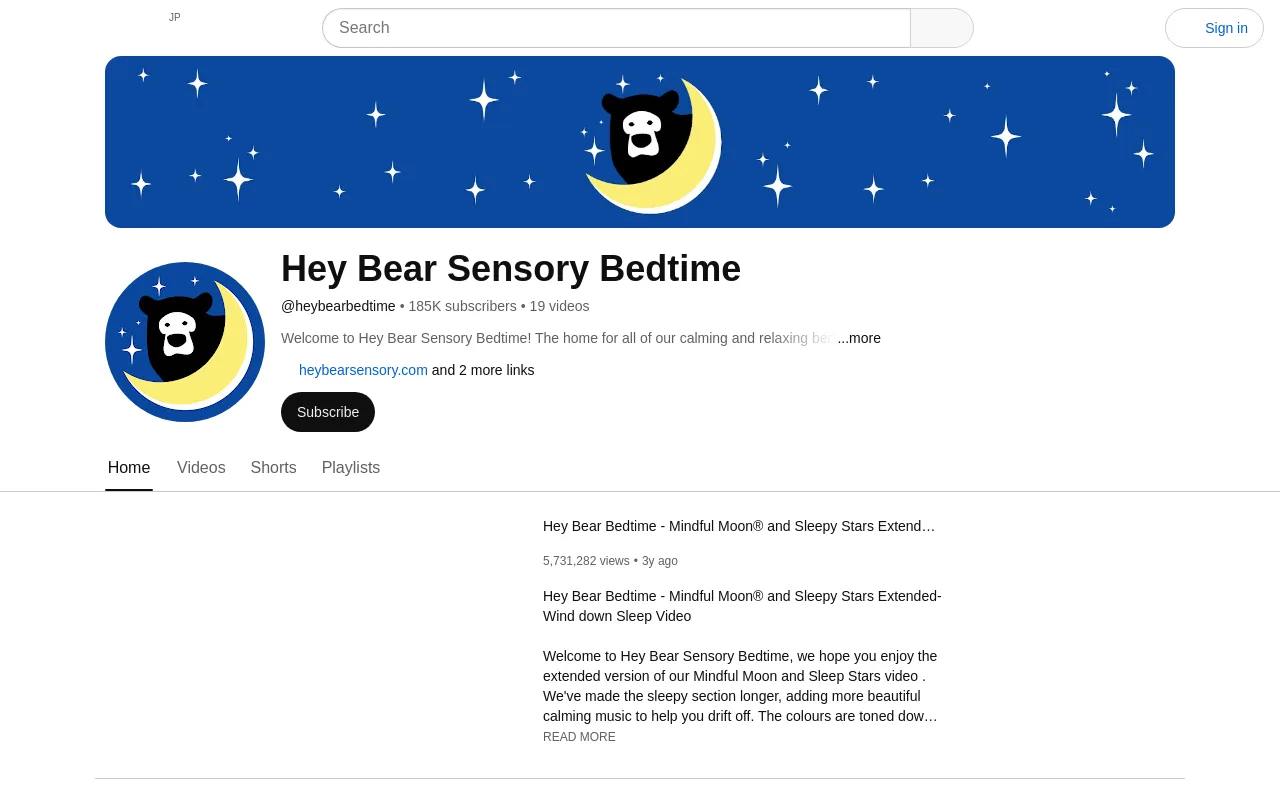
- Subscribers: 181K (Hey Bear Bedtime) / 1.8 Million (Baby Relax Channel)
- Content Format: High-contrast sensory animations, lullabies, gentle chimes
- Recommended For: Toddlers, infants, and bedtime routines
- Example Video: Bedtime Sensory Loop (https://videos.feedspot.com/sleep_music_youtube_channels/)
Hey Bear Bedtime and Baby Relax Channel provide visual and auditory sensory tracking for infants and toddlers. The visual loops use slow-moving, high-contrast characters, while the audio consists of gentle lullabies and music box chimes to settle young children.
10. The Honest Guys
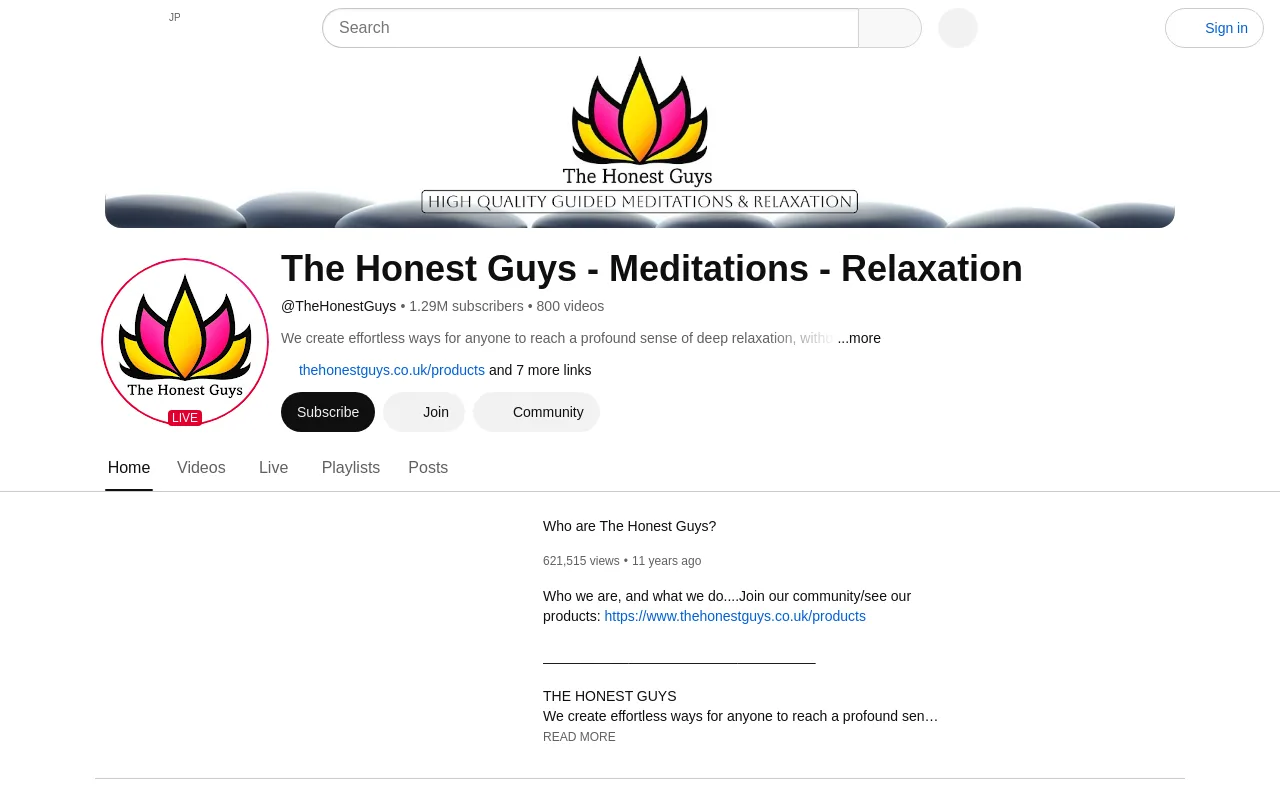
- Content Format: Guided fantasy visualizations, ambient pads, high-quality SFX
- Recommended For: Active imaginations and anxiety relief
- Example Video: Fantasy Forest Sleep Talk-Down (https://betweenthekeys.substack.com/p/the-best-meditation-music-top-20)
The Honest Guys are famous for their high-quality audio production and immersive fantasy visualizations. Listeners are guided through peaceful environments, such as ancient forests or quiet beaches, providing an engaging cognitive distraction from daily stress.
11. Nemo's Dreamscapes
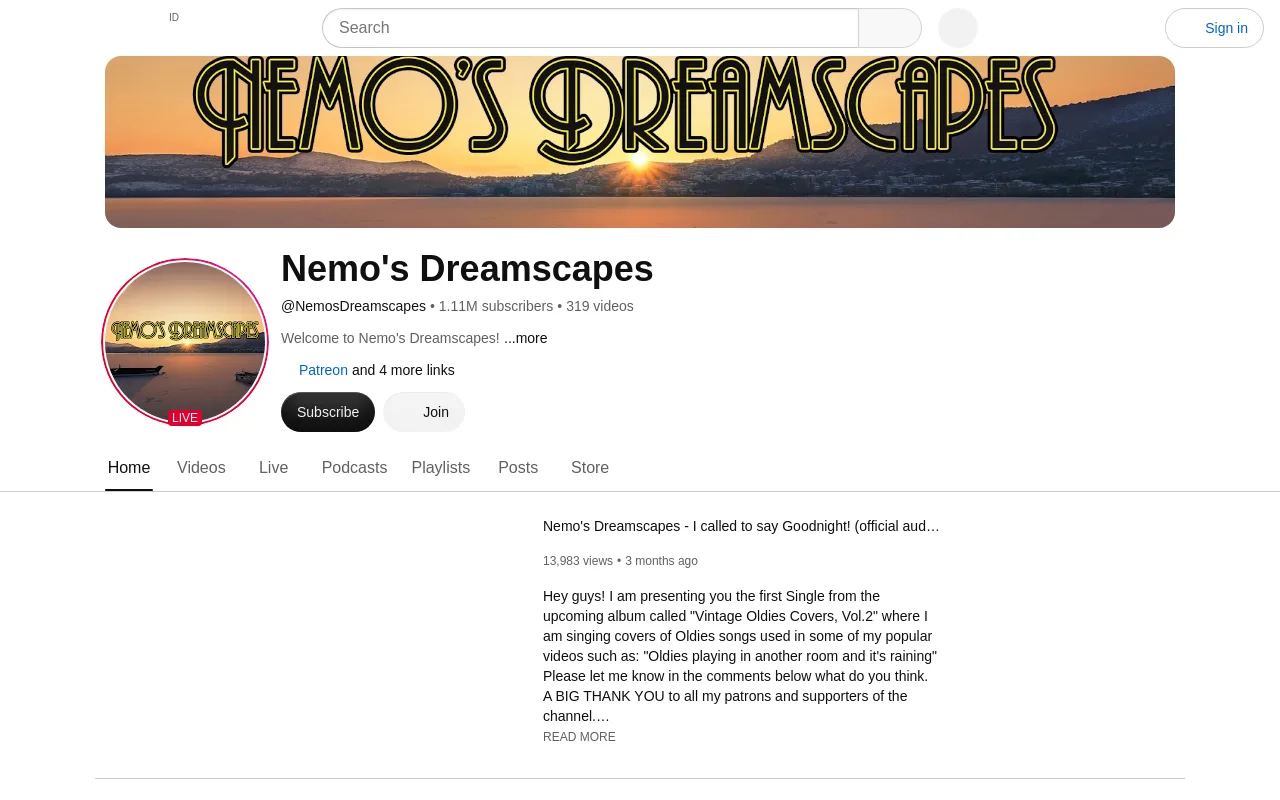
- Subscribers: 852K
- Content Format: Oldies music playing in another room, rain and wind soundscapes
- Recommended For: Tinnitus masking and nostalgia lovers
- Example Video: Oldies in a Cozy Room during a Rainstorm (https://lifehacker.com/tech/best-youtube-channels-to-help-you-fall-asleep)
Nemo's Dreamscapes offers a unique approach to sleep audio. The channel plays classic 1930s and 1940s music processed to sound as if it is playing from a radio in an adjacent room, layered with heavy rain, wind, and crackling fireplaces. This creates a comforting, nostalgic atmosphere.
12. Cozy Sound / Relaxing White Noise
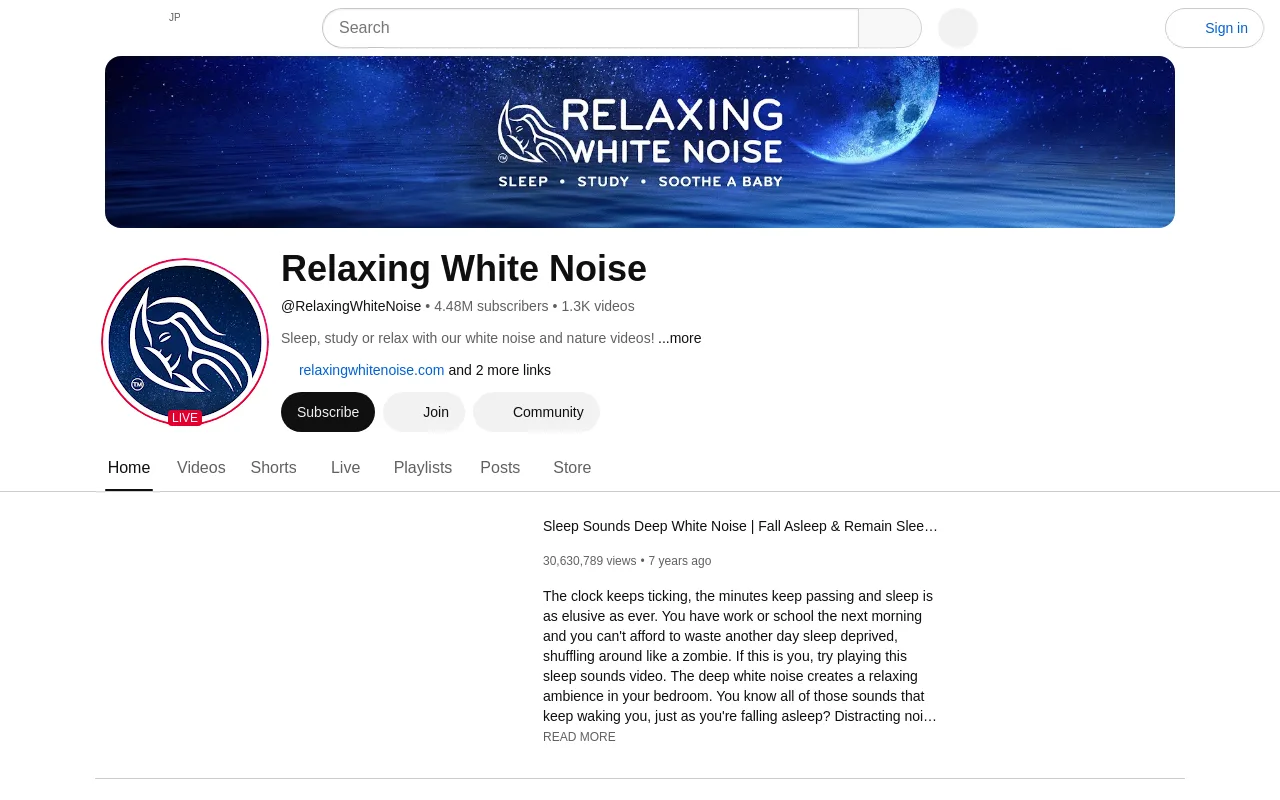
- Subscribers: 4 Million+
- Content Format: Pure white noise, industrial fans, heavy rain, black-screen loops
- Recommended For: Broadband noise purists and light sleepers
- Example Video: 10-Hour Fan Noise (https://lifehacker.com/tech/best-youtube-channels-to-help-you-fall-asleep)
For those who find melodies distracting, Cozy Sound and Relaxing White Noise offer pure mechanical and environmental sounds. Their 10-hour, black-screen videos are designed to keep bedrooms dark while masking disruptive noises.
| Channel Name | Subscribers | Primary Format | Best Use Case | Reference Source |
|---|---|---|---|---|
| Soothing Relaxation | 12 Million | 10-Hour Piano & Nature | General Sleep | Soothing Relaxation |
| Yellow Brick Cinema | 6 Million | 8-Hour Live Streams | Anxiety Relief | Yellow Brick Cinema |
| Meditative Mind | 6.45 Million | 528 Hz / 432 Hz Solfeggio | Frequency Healing | Meditative Mind |
| Nu Meditation Music | 3.09 Million | Short Sleep Triggers | Fast Sleep Onset | Nu Meditation Music |
What Kind of Music Works Best? 7 Sleep-Friendly Genres & Frequencies
The effectiveness of sleep music depends on its acoustic characteristics. Here are the seven most common audio styles used on YouTube sleep channels, along with their scientific benefits:
- Classical Music: Slow-tempo classical compositions, particularly those written for solo piano or strings, help lower blood pressure. The arrangements must avoid dramatic dynamic shifts, brass instruments, or intense percussion.
- Ambient Soundscapes: These tracks use synthesizer pads and long, swelling chords with no distinct rhythm or lead melody. They provide an excellent background for cognitive distraction.
- Nature Sounds: Sounds of rainfall, ocean waves, and wind are natural forms of pink noise. They reduce the difference between ambient background noise and sudden sounds, protecting your sleep cycles.
- Lofi and Soft Jazz: Slow, repetitive lofi beats with a warm vinyl crackle provide a predictable rhythm that encourages physical relaxation.
- Binaural Beats: By playing slightly different frequencies in each ear, binaural beats encourage the brain to generate specific wave patterns. Playing a 3 Hz delta frequency can help extend deep sleep.
- Solfeggio Frequencies: Frequencies like 432 Hz and the healing frequency of 528 Hz are highly popular on YouTube. While scientific evidence is limited, many users find these tones highly relaxing.
- Piano and Acoustic Instrumental: Soft acoustic instruments with a slow attack and long decay create a comforting, low-arousal environment.
Frequencies and Scientific Evidence
While Solfeggio frequencies are popular, their therapeutic claims remain largely anecdotal. In contrast, binaural beats have preliminary EEG backing. A 2018 study published in PMC demonstrated that playing a 3 Hz delta binaural beat increased delta brainwave activity and successfully extended stage-3 deep sleep.
[Left Ear: 250 Hz]  --->  \
                           --->  [Brain perceives a 3 Hz Delta Beat]
[Right Ear: 253 Hz] --->  /
The Rules of Sleep-Friendly Audio
To be effective, sleep music must meet three strict acoustic criteria:
- Tempo: Must remain between 60-80 BPM to match the resting heart rate.
- Dynamic Range: Must be extremely narrow. Sudden changes in volume or instrumentation will startle the brain and trigger an arousal response.
- Lyrics: Must be entirely instrumental. Spoken words or singing engage the language-processing centers of the brain, keeping you awake.
Rhythmic or percussive music, such as upbeat pop or electronic dance music, actively impairs sleep onset. A study analyzed by the AJMC showed that sedative music outperformed rhythmic music by a mean difference of −2.35 on the PSQI, confirming that slow, non-percussive tempos are essential for rest.
How to Build Your Own Sleep Playlist in 5 Minutes (YouTube + Spotify + Apple Music)
You do not need an expensive app subscription to build a highly effective sleep soundscape. Follow this 5-minute setup guide to create a professional sleep playlist.
Step 1: Select Your Anchor Track
Choose a high-quality, long-form instrumental track to serve as the foundation of your playlist. We recommend a 10-hour video like Soothing Relaxation's "Far Away" or a deep ambient loop from Yellow Brick Cinema. This track should run for at least 8 hours to ensure it plays throughout your sleep cycle.
Step 2: Layer Your Masking Sound
To block out environmental noise, layer a continuous nature sound on a second device or within your playlist app. You can use a dedicated rain loop, ocean waves, or a fan sound. Understanding white noise and pink noise differences can help you choose the best sound for your bedroom environment.
Step 3: Prepend a Mind-Calming Talk-Down
If you struggle with an overactive mind or anxiety, add a 15-minute guided meditation to the beginning of your playlist. This gives your brain a gentle focal point before the instrumental music begins. A guided meditation from Jason Stephenson or The Honest Guys is an excellent option for soothing sleep music for anxiety.
Step 4: Avoid Mid-Roll Ads
Sudden, loud advertisements will instantly disrupt your transition to sleep. To prevent this, consider using a YouTube Premium subscription to block all ads. Alternatively, you can download tracks for offline playback or use dedicated streaming platforms like Spotify or Apple Music, which do not interrupt sleep tracks with ads.
Step 5: Optimize Your Device Setup
Place your playback device on a bedside table, away from your pillow. Turn off all screen lights or use a "black-screen" video to keep your bedroom dark. Put your phone on airplane mode or enable "Do Not Disturb" to prevent notifications from waking you up.
Step 6: Set a Sleep Timer
If you do not want your music playing all night, use a sleep timer to turn off the audio after 60 minutes.
- iOS: Open the Clock app, tap Timer, select "When Timer Ends", scroll to the bottom, and select "Stop Playing".
- Android: Use the built-in sleep timer in YouTube Music or Spotify, or download a third-party sleep timer app.
Sleep Music for Specific Needs (Insomnia, Anxiety, Tinnitus, Kids, Pets)
Insomnia
For chronic insomnia, use black-screen, long-form instrumental videos. This keeps your bedroom completely dark, protecting your melatonin production. To get the best results, listen to your sleep music consistently every night. Studies show that using music therapy for over 4 weeks produces a deeper PSQI improvement of −2.61, helping to retrain your brain's sleep response over time.
Anxiety
If you struggle with racing thoughts or worry, guided meditations are more effective than pure instrumental music. A soothing voice provides a gentle focal point, giving your mind somewhere to land and helping to quiet the default mode network.
Tinnitus
If you experience ringing in your ears, avoid quiet, pure instrumental tracks. Instead, use broadband masking sounds like pink noise, heavy rain, or waterfall soundscapes. Channels like Nemo's Dreamscapes or Relaxing White Noise are excellent for masking tinnitus frequencies.
Kids and Toddlers
Establishing a consistent bedtime routine is essential for young children. Gentle lullabies, music box chimes, and soft sensory animations can help settle infants and toddlers. When playing calming sleep tracks for children, keep the volume below 50-60 dB to protect their developing hearing.
Pets
Domestic pets have highly sensitive hearing and can easily become anxious during thunderstorms or fireworks. Playing species-specific calming music, such as the frequency-tailored tracks on RelaxMyDog or Relax My Cat, can help lower their stress levels and encourage rest.
Frequently Asked Questions
How long before music starts working for sleep?
Music begins relaxing your nervous system immediately. Within 15 to 30 minutes, your heart rate slows and your muscles begin to relax. However, the psychological benefits of sleep music compound over time. Consistent bedtime listening for 4 weeks or more helps build a conditioned relaxation response, making it easier to fall asleep.
Is listening to music every night safe?
Yes, listening to sleep music is entirely safe for healthy adults. Clinical studies have reported no negative side effects or dependency issues. To protect your hearing, keep the volume at a moderate level (below 60 dB) and avoid using tight-fitting earbuds all night.
Does YouTube Premium actually block mid-roll sleep-music ads?
Yes. A YouTube Premium subscription removes all mid-roll, pre-roll, and post-roll advertisements across the platform. This is highly recommended for sleep music listeners, as a sudden, loud commercial can easily disrupt your sleep cycle. It also allows you to play audio in the background while your phone screen is turned off.
What are the best headphone options for side sleepers?
Standard earbuds can be uncomfortable and cause ear pain for side sleepers. Instead, look for flat, ultra-thin sleeping headphones embedded in a soft, breathable headband. These headbands sit comfortably over your ears without putting pressure on your ear canal, making them ideal for side sleepers.
Can I use sleep music on a smart speaker like Alexa or Google Home?
Yes. You can connect your YouTube Music, Spotify, or Apple Music account to your smart speaker. Once connected, you can use simple voice commands to play your favorite sleep tracks, loop playlists, or set a sleep timer to turn off the audio after a set period.
Search demand for high-quality sleep soundscapes keeps climbing, and the channels that meet it build audiences who listen for hours at a stretch. By understanding the science of low-arousal audio, you can find the right nighttime soundtrack for your own sleep, or build an automated channel with Chillframe and share relaxing soundscapes with listeners around the world.