Guides
The Science and Curation Behind the Best Lofi Study Music
A deep dive into the science, the top curators, and the tools to build your own focus-driven audio channels.

Finding the best lofi study music is a daily ritual for millions of students and remote professionals. These low-fidelity beats serve as an essential tool for cognitive focus. The genre has evolved from a niche subculture into a global phenomenon, with lo-fi study content racking up 10 billion TikTok study-vlog views. From the iconic bedroom-studio aesthetics to the steady 70-90 beats per minute rhythm, this music helps people block out distraction and enter a state of deep flow.
What is lo-fi study music (and why students keep returning to it)
Lo-fi hip-hop, often referred to simply as lo-fi beats, is characterized by its distinct technical elements. Most tracks operate within a relaxed 70-90 BPM tempo range, mimicking the natural rhythm of a resting human heart. Producers layer these tracks with vinyl crackle, low-frequency hums, tape hiss, and sparse, unhurried percussion. This combination of vintage warmth and rhythmic predictability is why the study use-case has exploded globally. In fact, 49% of hip-hop fans listen to music to focus or study, with a vast majority choosing these ambient, low-fidelity arrangements. The absence of vocal lyrics prevents the brain's language centers from becoming distracted, allowing students to process complex texts without auditory interference.
Rather than being engineered for clinical cognitive enhancement, lo-fi serves primarily as a mood-setting tool. While specialized audio formats aim to alter brainwave states directly, lo-fi relies on aesthetic comfort to lower stress. The familiar, repeating loops act as an auditory blanket, masking unpredictable environmental noises like traffic or noisy dorm corridors. That makes it a safer default than most alternatives when you are picking background music for a long work block. Students return to these streams because they create a reliable, low-stress environment where the mind can settle into a predictable rhythm.
The science: does lo-fi actually help you study?
To understand if these beats truly aid academic performance, researchers have examined both the psychological and cognitive impacts of low-fidelity music. A study published in the Journal of Adolescence (2024) found that listening to lo-fi music significantly reduces state anxiety in young adults, helping them approach difficult tasks with a calmer mindset. The typical 70-90 BPM tempo aligns closely with the resting heart rate, which physiological research suggests can help sustain attention during prolonged flow-state sessions. This soothing effect is why 500 school districts across the United States now deploy lo-fi music in classrooms to foster quiet focus.
However, the scientific literature also presents clear counter-evidence. A study published in the Journal of Cognition in 2023 revealed that lo-fi music did not improve performance on four distinct cognitive tasks when compared directly to silence. Similarly, a Georgetown University study in 2025 indicated that deep-focus lo-fi playlists did not produce a measurable positive impact on participant mood during testing. These findings suggest that lo-fi works primarily as an external noise-mask and psychological de-stressor rather than an active cognitive enhancer. For raw attention metrics, engineered functional music that uses specific audio modulation may outperform standard lo-fi beats, though lo-fi remains the preferred choice for overall comfort and anxiety reduction. If you want to hear how these mechanics translate into a full channel, our guide to starting a lofi YouTube channel walks through the sound design end of it.
How to read the conflicting evidence
The two sides of this literature are not actually in conflict once you separate the claims. The studies that find no benefit are measuring task performance: reaction time, recall, accuracy on a discrete cognitive test, usually over a session lasting minutes. The studies that find a benefit are measuring affect: anxiety, perceived effort, willingness to keep going. Lo-fi consistently moves the second set of numbers and consistently fails to move the first.
That distinction matters more than it sounds, because a real study session is not a twenty-minute lab task. It is a three-hour slog against the urge to stop. Music that makes you no faster per page but keeps you at the desk for the third hour beats silence that makes you marginally sharper for the first. The honest claim for lo-fi is adherence, not intelligence: it lowers the activation energy of sitting down and raises the cost of getting up.
This also explains the one place lo-fi reliably loses. If your environment is already silent and your task is short, dense, and verbal, the music is pure added load with no anxiety to offset. A library carrel at 9am does not need a soundtrack. A shared flat at 11pm, with a housemate's TV bleeding through the wall, is exactly where the masking effect earns its keep. Match the tool to the noise floor, not to the ritual.
The 12 best lo-fi YouTube channels for studying (2026)
The YouTube landscape is filled with 24/7 livestreams and curated mixes designed for long study sessions. Here are the 12 best channels currently shaping the lo-fi community:
1. Lofi Girl
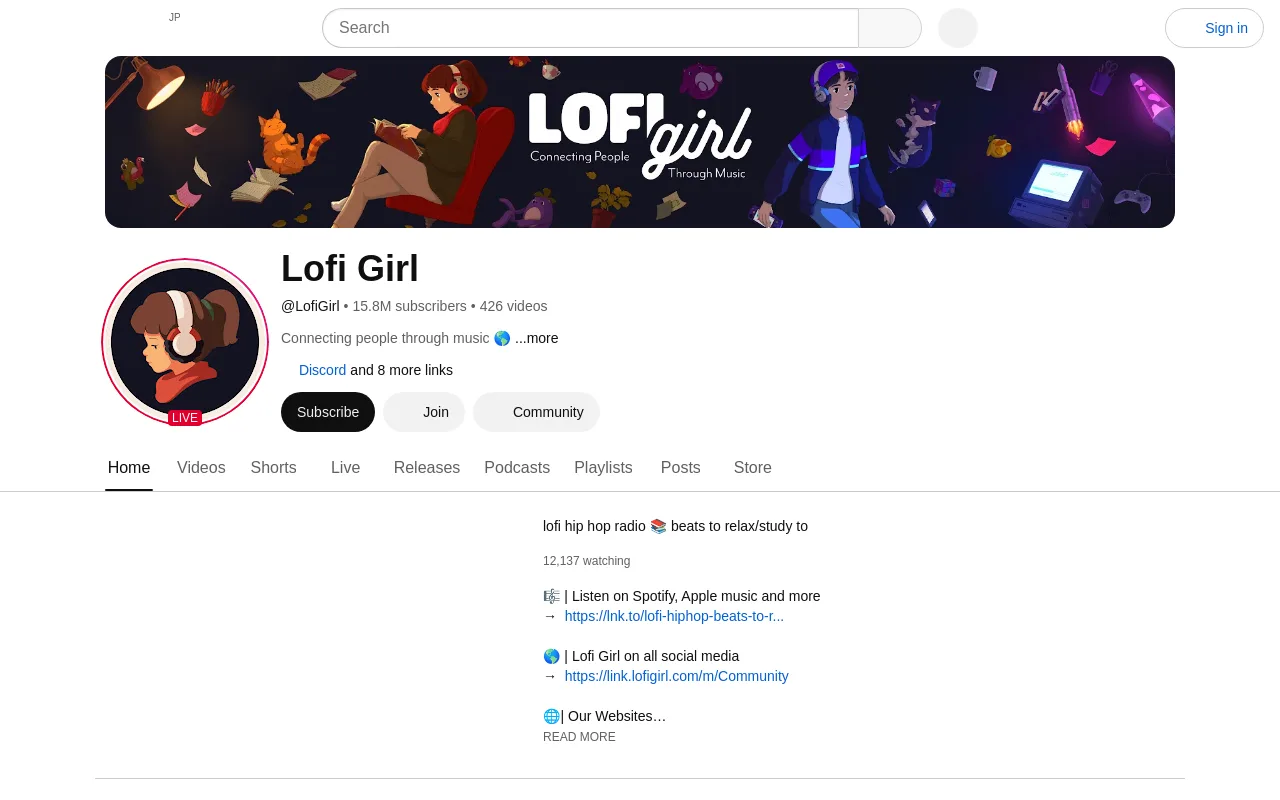
Formerly known as ChilledCow, Lofi Girl is the undisputed flagship of the genre with 15.8 million subscribers. Its iconic anime study girl animation has reached viewers across 190 countries, offering a continuous stream of cozy, mid-tempo beats perfect for late-night exam prep.
2. Chillhop Music
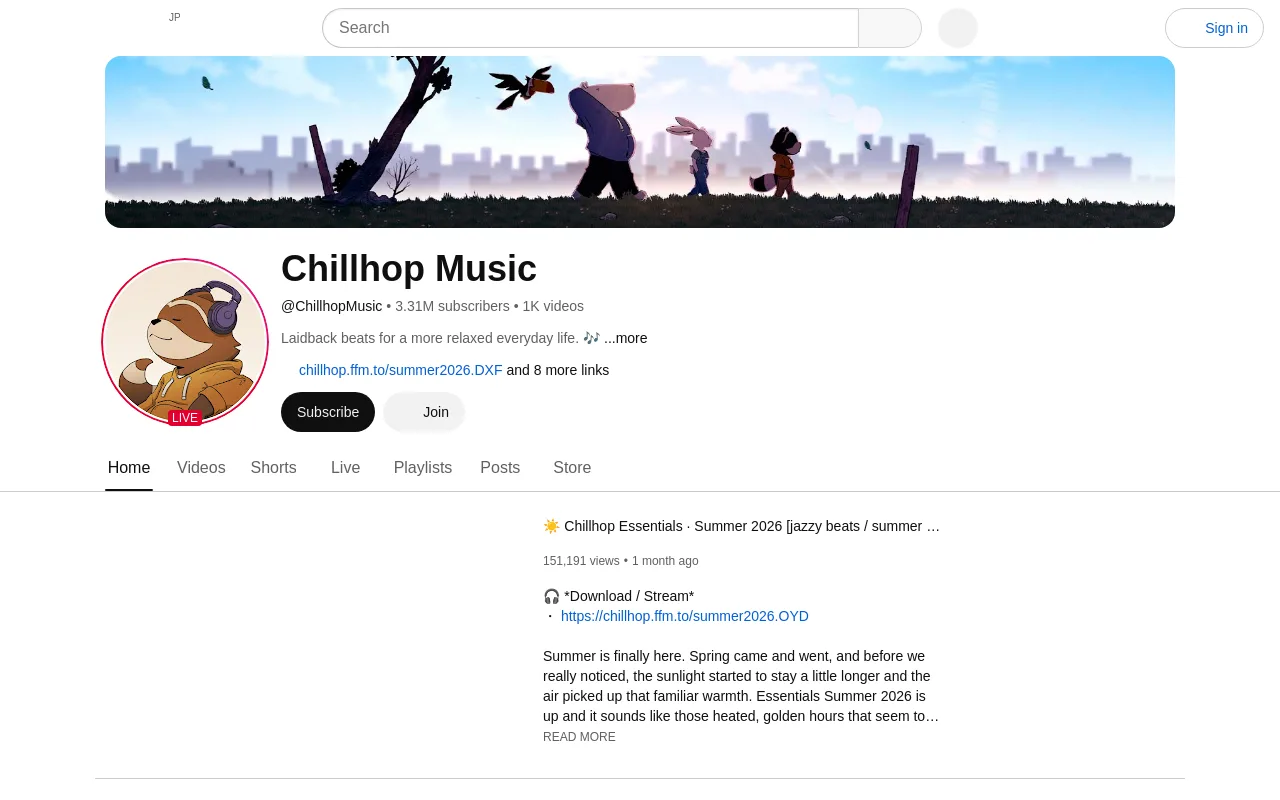
Boasting over 1 million+ Spotify followers, Chillhop Music is famous for its cheerful, daytime-focused tracks and its signature raccoon mascot. It leans heavily into jazzy hip-hop, making it excellent for energetic, creative work.
3. the bootleg boy
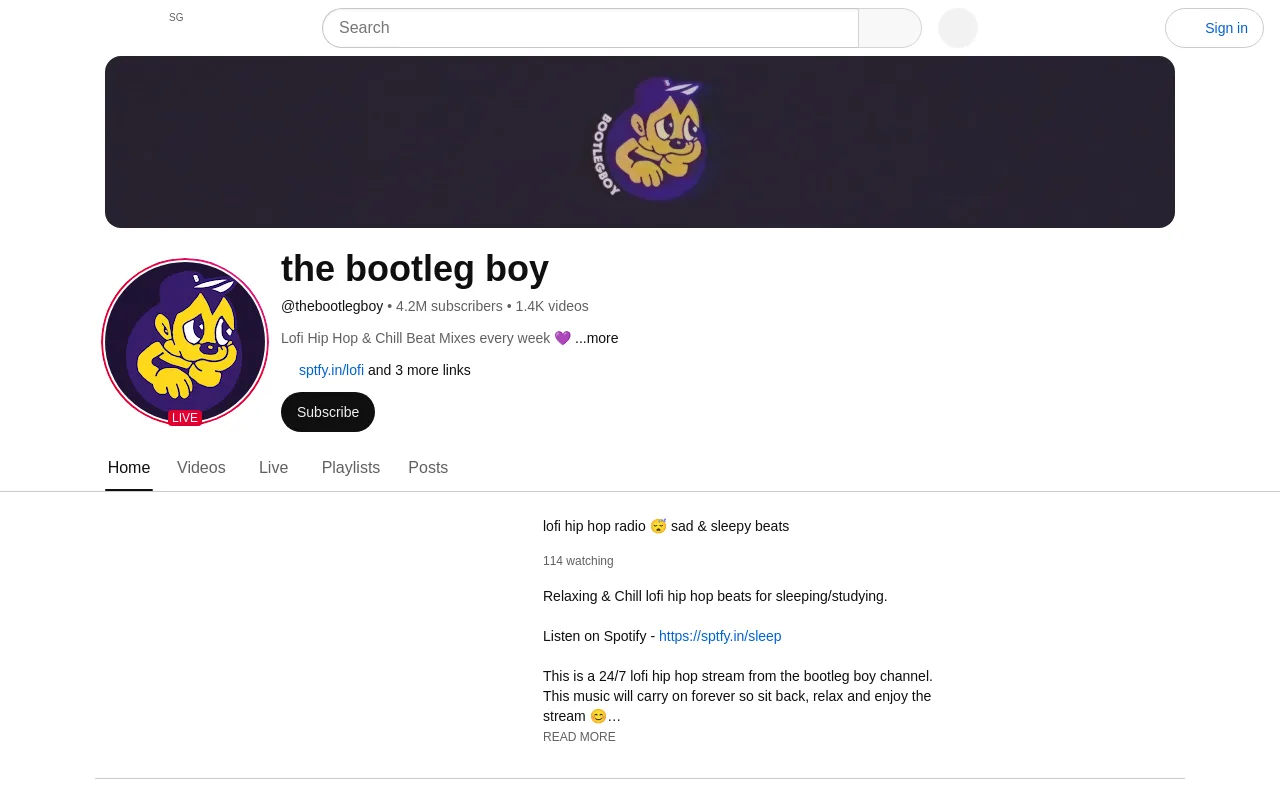
the bootleg boy offers a more melancholic, introspective sound. Featuring rain-drenched visuals and sad-boy aesthetics, it serves as the ideal background for quiet, late-night study sessions when you need a slower, more emotional tempo.
4. STEEZYASFUCK
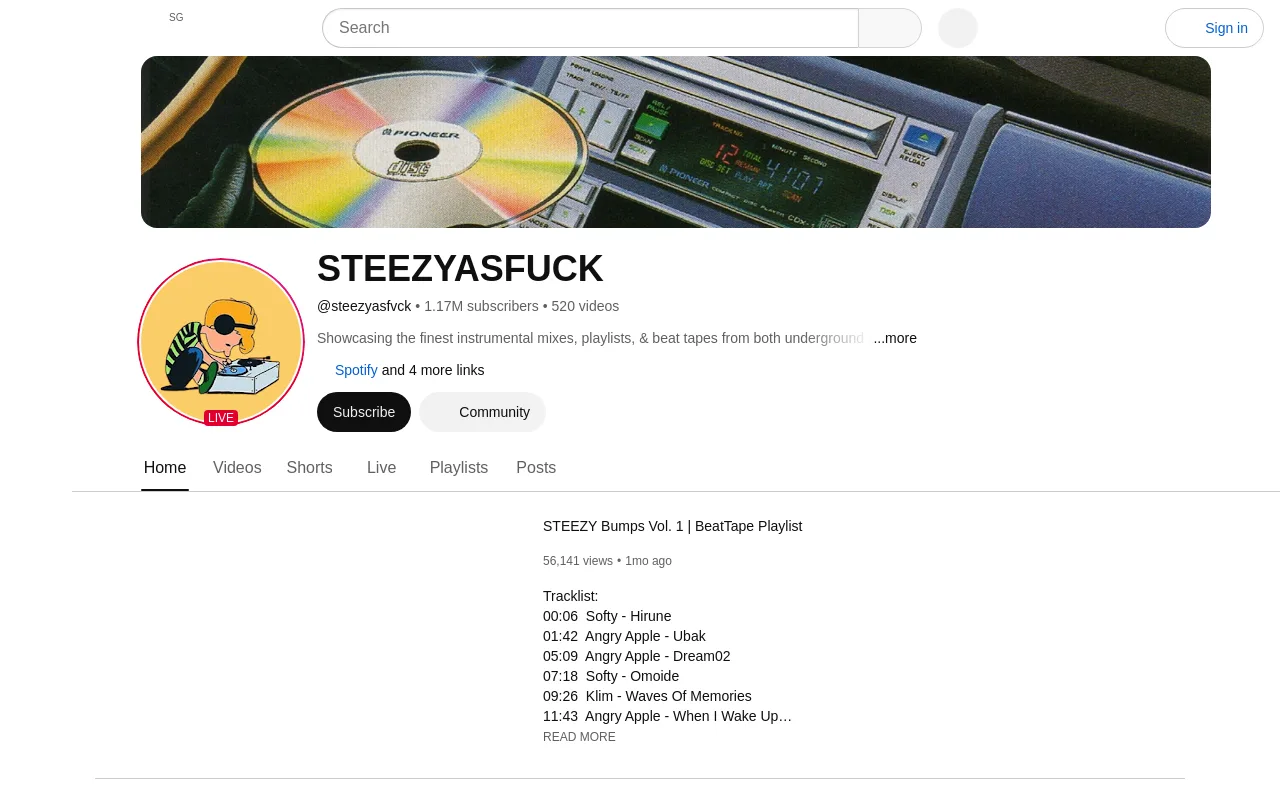
A premier destination for dedicated beat tapes, STEEZYASFUCK uploads full-length instrumental albums alongside its long-running radio streams. It provides a continuous, highly playable stream of jazz-hop that keeps your attention anchored during multi-hour reading sessions.
5. The Jazz Hop Cafe
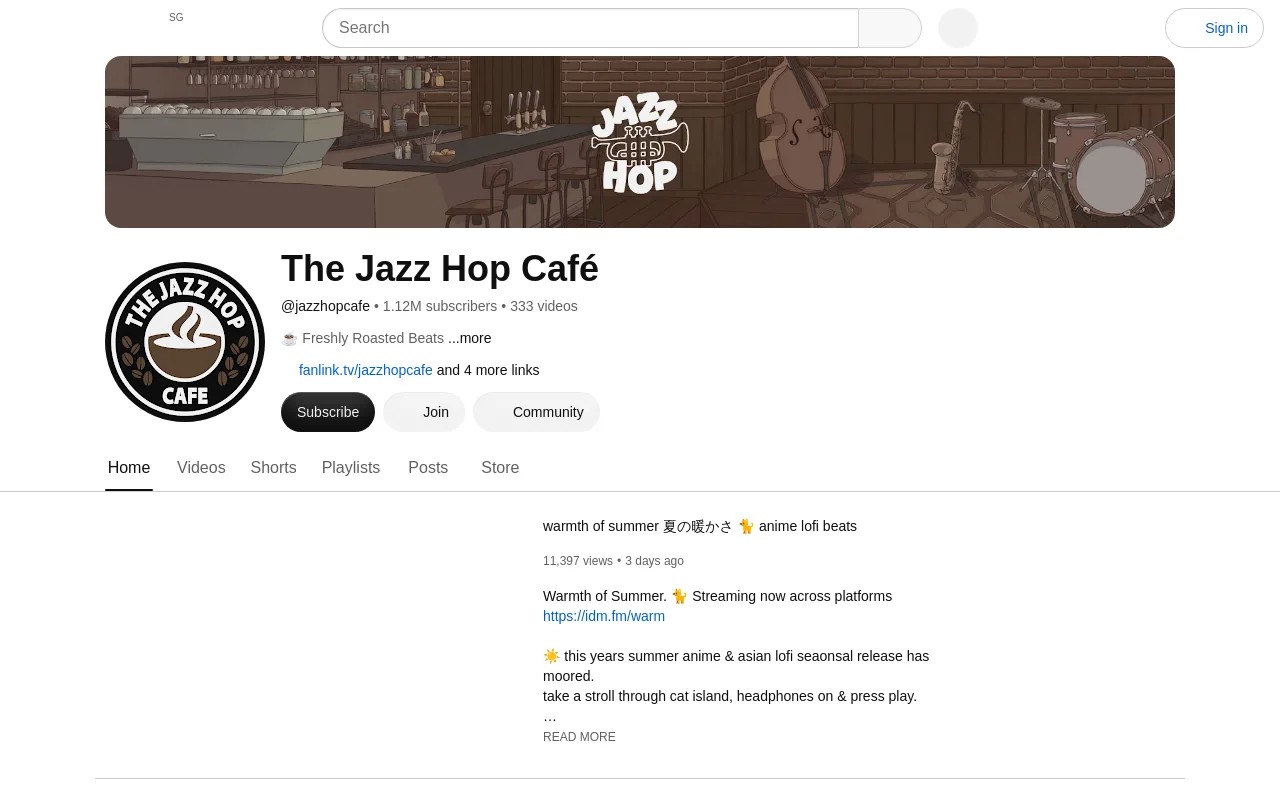
Specializing in the intersection of traditional jazz and modern hip-hop beats, The Jazz Hop Cafe features cozy cafe backdrops and brass-heavy instrumentals. It is perfect for those who find standard lo-fi a bit too repetitive.
6. College Music
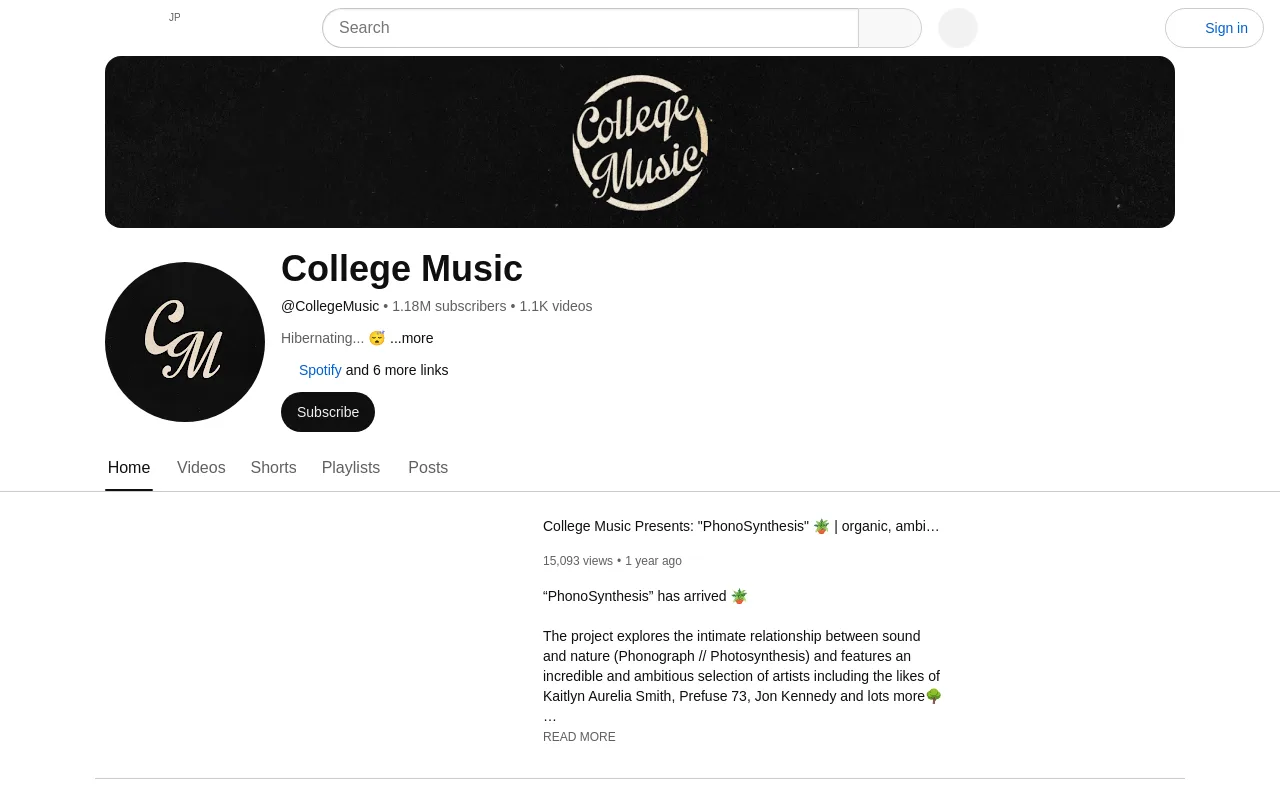
College Music built a deep catalog blending vocal and instrumental tracks, adding a fresh indie layer to the traditional lo-fi formula. The channel is hibernating rather than uploading, but the back catalog and its long-running mixes remain a deep, reliable well for study sessions.
7. Lofi Fruits
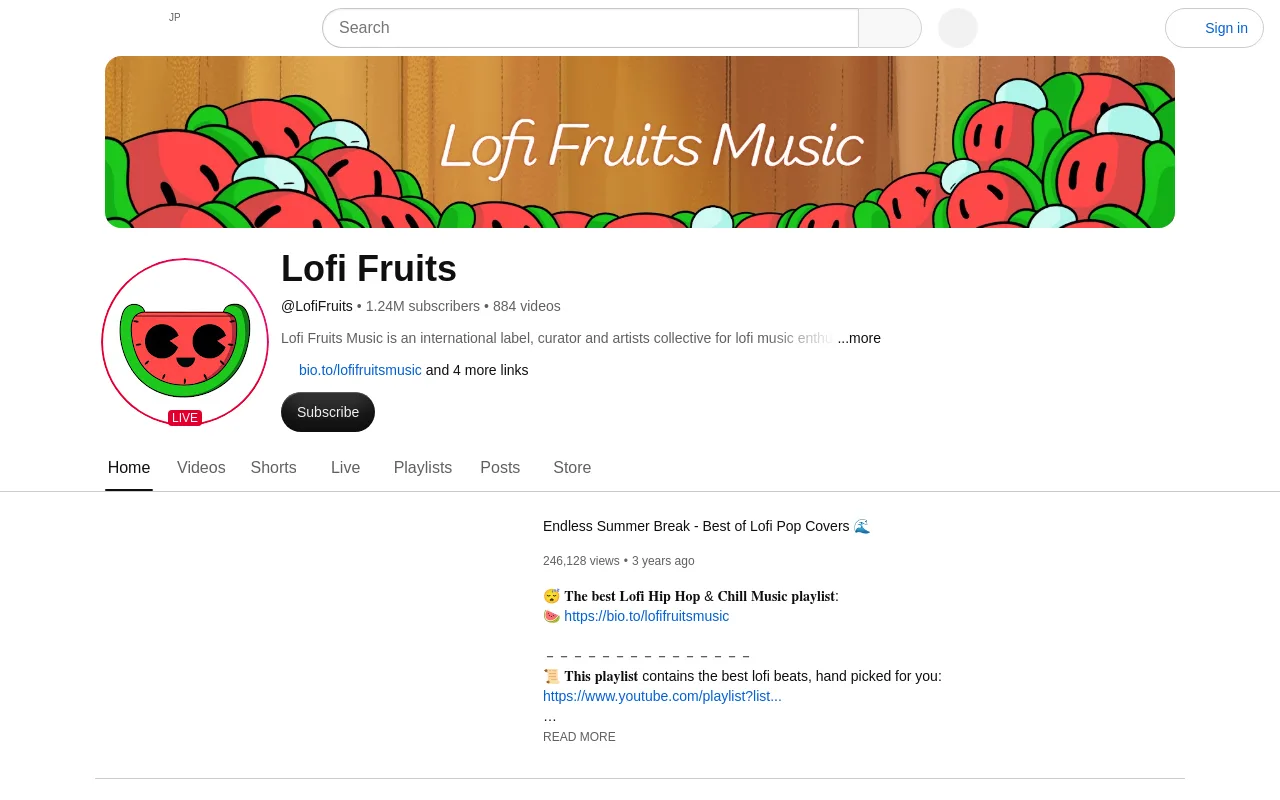
Known for its vibrant, fruit-themed visual loops, Lofi Fruits specializes in lo-fi covers of popular pop and hip-hop songs. It is a great gateway channel for listeners who prefer familiar melodies while they work.
8. the bootleg boy 2
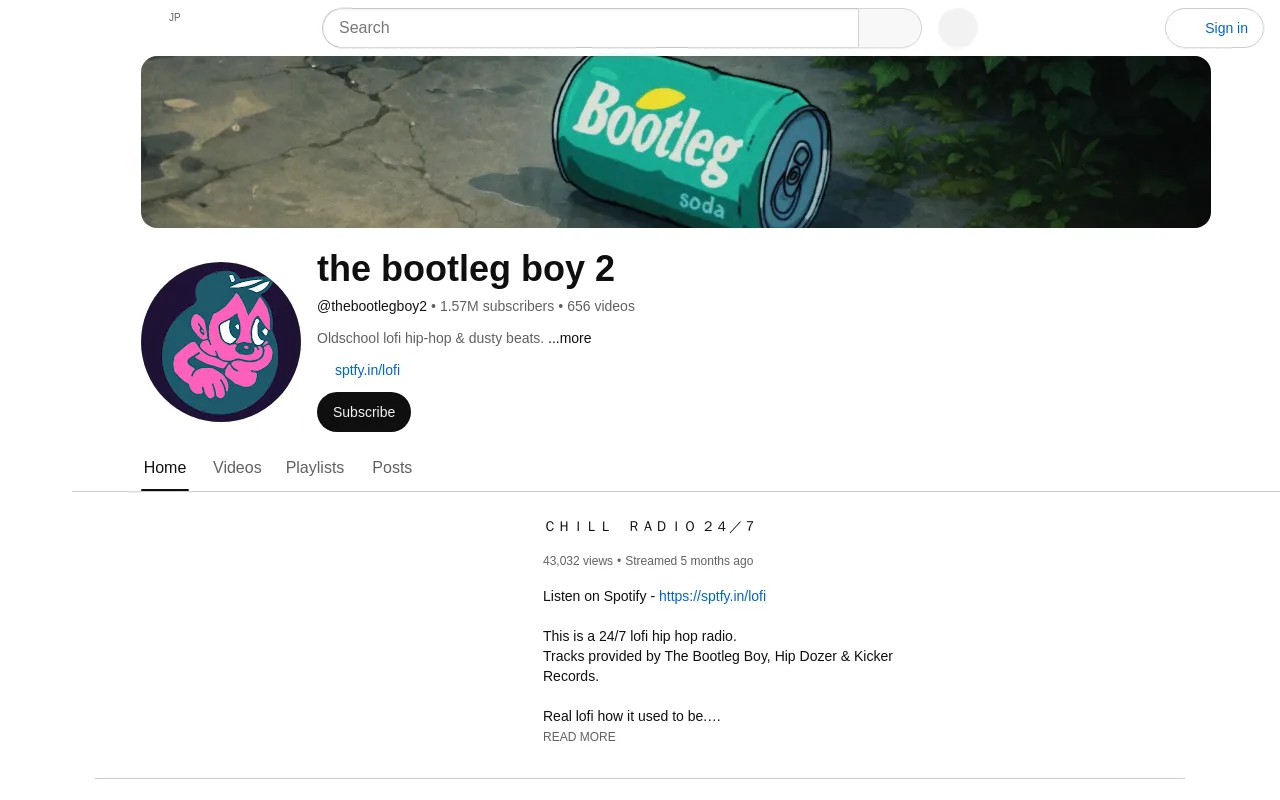
The darker sibling of the flagship channel, the bootleg boy 2 leans bass-heavy and slightly psychedelic. It is designed for students who need a heavier, more driving rhythm to stay awake during tedious data-entry or coding tasks.
9. Homework Radio
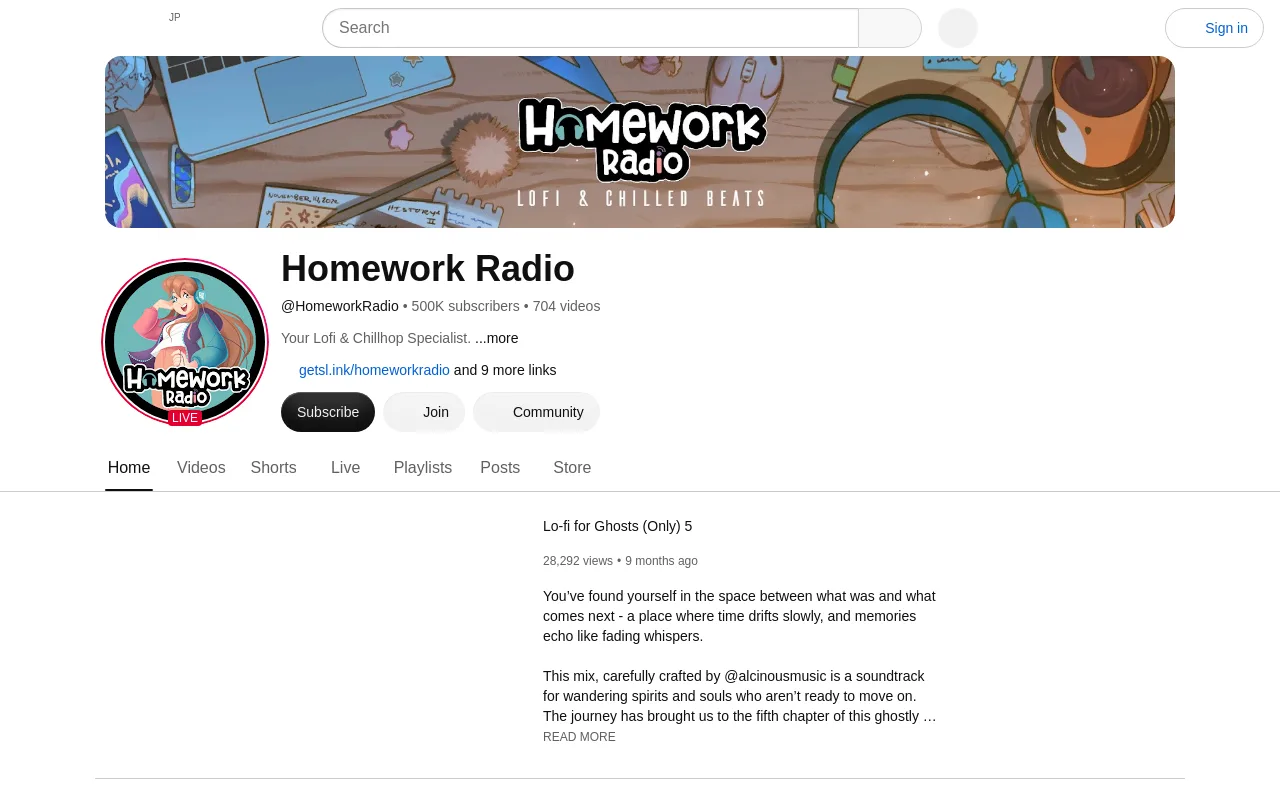
A purpose-built study channel, Homework Radio pairs its music with detailed, highly immersive 3D digital environments. The music is curated specifically to minimize sudden shifts in volume, ensuring a stable auditory environment.
10. Ambition
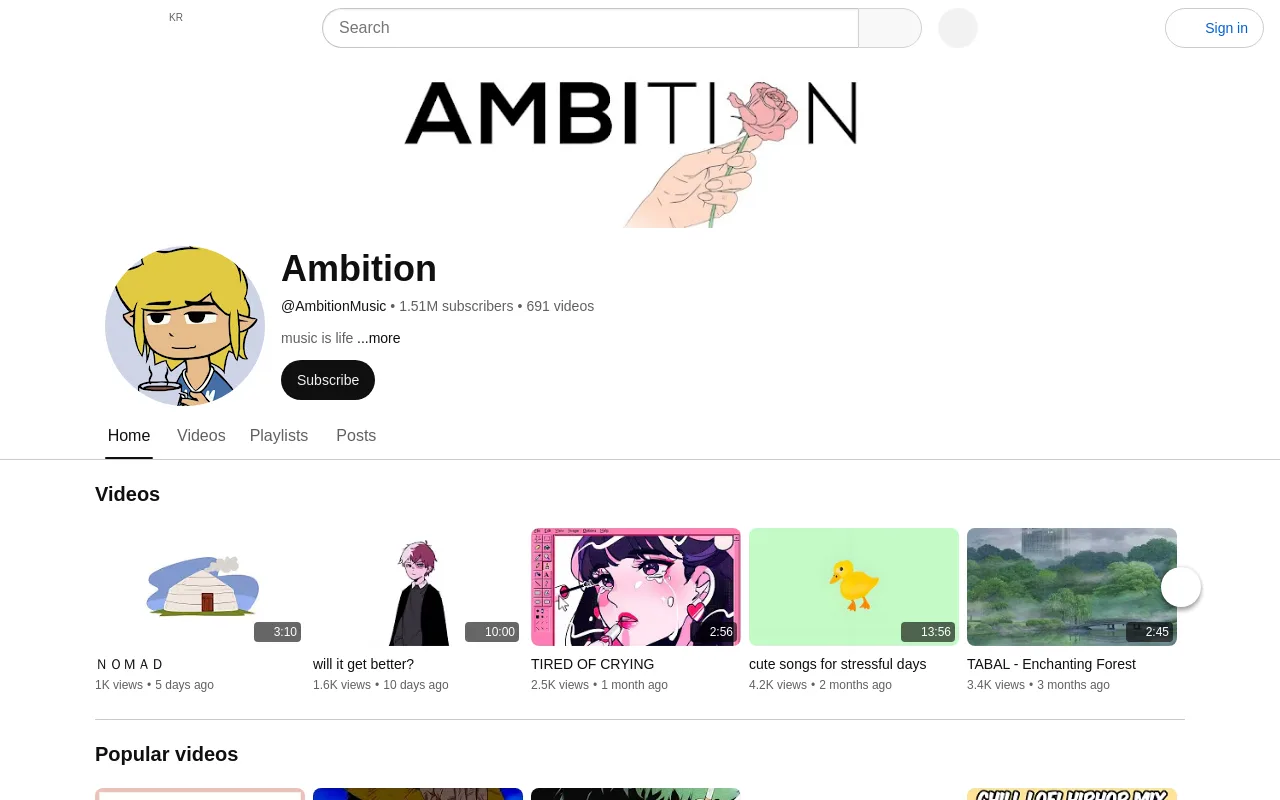
Combining anime-inspired visuals with classic lo-fi and jazzhop mixes, Ambition is a favourite among programmers and gamers. Its tracks often feature nostalgic synth pads and crisp, clean percussion.
11. NEOTIC
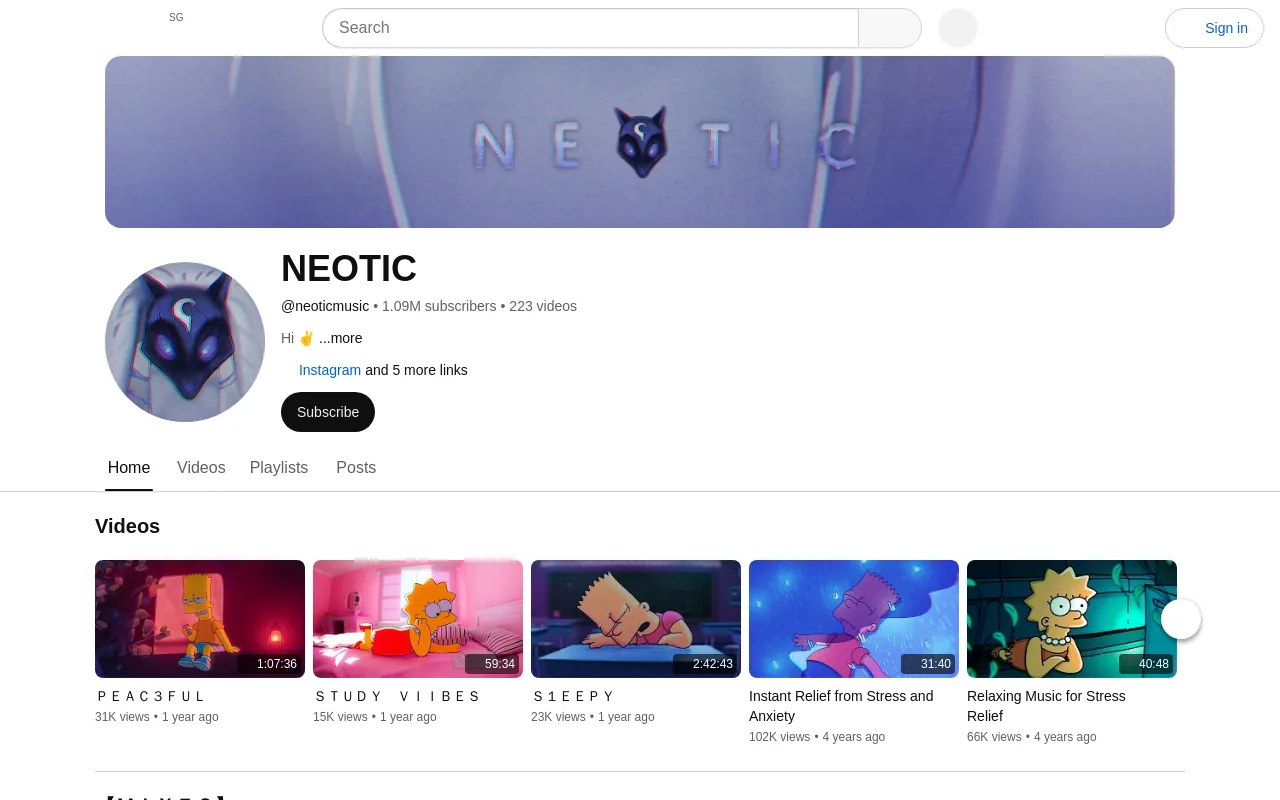
Leaning into a retro-futuristic, vaporwave-adjacent aesthetic, NEOTIC pairs lo-fi beats with classic anime clips. The nostalgic, slightly upbeat tempo is perfect for keeping your energy up during long writing blocks.
12. Chill Village
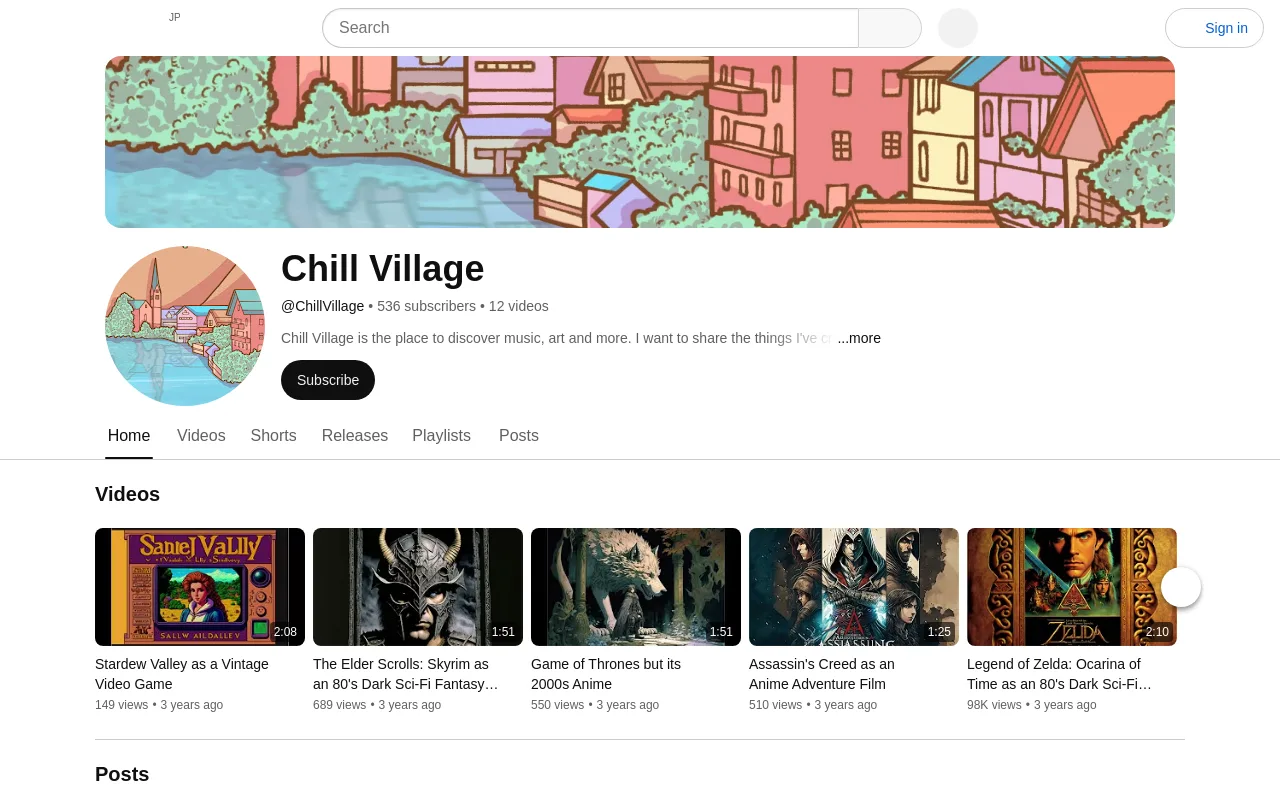
Chill Village offers specialized, focus-themed streams such as Lofi Cat and Medieval Lofi. It provides a playful, highly thematic approach to background audio that makes study sessions feel more like an adventure.
For a quick comparison of the top platforms, see the table below:
| Channel / Playlist Name | Core Aesthetic | Subscriber / Follower Count | Primary Study Benefit | Source |
|---|---|---|---|---|
| Lofi Girl | Cozy Bedroom Anime | 15.8 million YouTube subscribers | Continuous, steady beats with a global community chat | YouTube Channel Data |
| Chillhop Music | Seasonal Outdoors / Cafe | 1 million+ Spotify followers | Uplifting, jazzy daytime focus that keeps energy levels high | Stereofox Editorial |
| Lofi Study 2026 | Minimalist Study Art | 428,193 saves | Hand-picked track transitions designed for deep focus | Spotify Playlist Data |
Based on overall consistency, Lofi Girl remains the top recommendation for traditional studying, while Chillhop Music is the superior choice for active, creative daytime projects.
For creators who want to build their own channels and curate custom study environments, Chillframe provides a direct, fully automated way to launch. The platform turns any theme into a finished, schedulable lofi video, complete with original music and matching visuals that publish straight to your connected YouTube channel on the cadence you set. This is hands-off publishing at its best, giving you a faceless channel that runs itself with no camera, no editing timeline, and no face required.
You can set up a Series to generate fresh videos on a weekly cadence, keeping your channel fed on autopilot. Chillframe writes original, studio-quality lofi tracks that blend into a gapless, continuous soundtrack. The visual engine creates looping visuals tuned to your theme, offering static loops on the Lite tier and motion loops on the Plus and Ultra tiers.
You choose from seven themes: study-boombap, rainy-tokyo, jazzhop, ambient-sleep, synthwave, future-garage, and citypop. Several carry a matched ambient texture woven into the sound: rain in rainy-tokyo and future-garage, a warm cafe hum in jazzhop, and a soft crackling fire in ambient-sleep. The rest play clean. Finished videos loop cleanly to your chosen runtime, up to a full hour on every tier, so length is never the thing that holds a study channel back. Every tier delivers crisp 1080p, and the Ultra visual tier steps up to 4K.
To keep your catalog growing, Chillframe automatically generates optimized titles and thumbnails for each episode, ensuring every upload is click-ready. With built-in creator analytics, you can track your watch-time and growth signals directly inside the dashboard. You start on a card-required-upfront 3-day trial with $0 due today: 45 credits, enough for one Lite-only video of up to 30 minutes, plus 2 track re-rolls to dial the sound in before you commit.
The best Spotify playlists for studying (2026)
While YouTube is excellent for visual immersion, many students prefer the portability of Spotify. The platform hosts several massive playlists that cater specifically to academic focus:
- Lofi Study 2026 by Lofi Girl: With 428,193 saves, this playlist offers roughly 10 hours of hand-curated, mid-tempo tracks. It is updated regularly to ensure that frequent listeners do not experience auditory fatigue from hearing the same loops.
- lofi beats: Spotify's own editorial playlist for the genre. It features a rotating selection of instrumental releases, making it a great way to discover new artists while keeping your study background fresh.
- Lofi Pomodoro 25/5 by Zycix Records: Boasting 5,316 saves, this playlist builds the Pomodoro technique into the tracklist. It structures your study session by playing 25 minutes of focus music followed by a 5-minute ambient break track, helping you manage your time automatically.
- Lofi Sleep / Lofi Hip Hop Music: This compilation series focuses on ultra-low BPM tracks. It is designed for late-night studying where reducing stress and lowering heart rates are the primary goals.
- Student-Curated Playlists: Playlists curated by students at major institutions like University College London (UCL) and the University of Michigan (UMich) offer a peer-tested selection of tracks that have been proven to work during actual final exam weeks.
Many curators also use services like Fanlink.tv to easily import their favorite YouTube mixes directly into Spotify, creating a bridge between visual and audio-only streaming. If you would rather build the tracks than hunt for them, our walkthrough on how to make lofi music covers the production side.
How to build your own lo-fi study playlist (BPM, length, volume)
Curating a custom playlist takes more than dropping random instrumental tracks into a queue. To build an effective focus environment, you must apply specific structural rules:
- Stick to 70-90 BPM: This tempo range matches the natural resting heart rate, which helps keep your nervous system calm and alert. Tracks that are too slow can cause drowsiness, while anything over 100 BPM can induce mild anxiety.
- Structure by Concentration Blocks: Trim your playlist or set your video lengths to 40-50 minutes. This aligns perfectly with natural human concentration limits, serving as a built-in cue to stand up, stretch, and rest your eyes.
- Keep the Volume Low: Your music should always sit below conversational level, quiet enough that it reads as atmosphere rather than content. If you can clearly distinguish every subtle instrument layer over your own thoughts, the music is too loud.
- Avoid Vocal Lyrics: Vocal tracks force your brain to process language, which directly competes with reading or writing tasks. Stick strictly to instrumentals.
- Prioritize Predictability: Skip tracks with sudden volume spikes, abrupt beat changes, or busy drum solos. The goal of lo-fi is to blend into the background, not to command your active attention.
There is also a growing debate in the community regarding human-curated versus automated audio. On forums like Reddit in 2026, there is a distinct 'No AI' trend where some listeners actively seek out purely human-curated channels. However, high-quality automated tools have become incredibly popular because they can generate endless, highly consistent, and distraction-free tracks that fit these exact rules perfectly. If that automated route appeals to you, our guide to the best lofi video generator compares what the current tools actually produce.
When lo-fi stops working (and what to do about it)
Almost every long-term listener hits the same wall: the beats that once triggered focus stop registering at all, or worse, start to irritate. This is habituation, and it is not a sign the method failed. It is a sign the signal got too familiar to carry meaning.
The fix is to protect the association rather than chase novelty. A few adjustments that hold up:
- Reserve the sound for the work. If the same playlist scores your commute, your dishes, and your gaming, it stops being a cue and becomes wallpaper. Keeping one stream exclusively for deep work preserves its power as a signal.
- Rotate the texture, not the tempo. Swapping a rain-layered stream for a clean, dry one changes the character enough to re-register, without breaking the 70-90 BPM structure your session depends on.
- Watch for the skip reflex. If you are reaching for the next track, the music has become the task. That is the clearest sign to switch to something more repetitive and less interesting, not less.
- Take the silence seriously. Habituation sometimes means you no longer need the crutch for this particular task. Trying twenty minutes unscored costs nothing and occasionally reveals that the room got quiet without you noticing.
The creators running the streams face the mirror image of this problem. A channel that publishes the same loop forever loses its audience to the same habituation, which is why the durable channels ship on a cadence: new mixes, seasonal variations, and a steady enough identity that listeners know what they are getting. That publishing rhythm, not any single track, is what compounds a catalog into an audience.
Frequently Asked Questions
Is lo-fi music good for ADHD studying? Yes, lo-fi music is highly effective for students with ADHD. The consistent, predictable rhythm of 70-90 BPM acts as a low-level stimulant for the brain, providing just enough background stimulation to keep the under-aroused ADHD mind engaged without distracting it. The inclusion of ambient textures like rain or vinyl crackle acts as a form of pink noise, which helps drown out erratic environmental sounds that would otherwise break focus.
What BPM is best for studying? The ideal tempo for studying is between 70 and 90 beats per minute (BPM). This range mimics the resting heart rate of a healthy adult, which helps induce a state of relaxed alertness. Tempos slower than 70 BPM can make you feel sleepy, while tempos faster than 100 BPM can increase your heart rate and trigger mild anxiety, pulling your focus away from your coursework.
Is lo-fi music with lyrics good for studying? Generally, no. Music with lyrics is not recommended for tasks that involve reading, writing, or heavy verbal processing. When you hear human speech, your brain automatically tries to decode the words, which directly competes with the information you are trying to study. Stick to instrumental lo-fi tracks to keep your cognitive load low and your focus sharp.
Does lo-fi really help focus or is it placebo? It is a mix of both physiological masking and psychological comfort. Scientifically, lo-fi works as an excellent noise-masker, blocking out sudden, distracting environmental sounds with a steady stream of low-frequency audio. Psychologically, it reduces state anxiety, making you feel more relaxed and willing to sit and study for longer periods. While it may not actively boost your raw IQ or memory recall, it creates the optimal low-stress environment required for deep work.
Best lo-fi channel for sleep vs. study? For studying, channels like Chillhop Music or Lofi Girl are ideal because they maintain a steady, mid-tempo groove that keeps you awake and alert. For sleep, you should choose ambient-focused channels like Homework Radio or specialized sleep playlists that feature slower tempos, minimal percussion, and heavy layers of natural ambient sounds like rain or ocean waves to help lower your heart rate.
Are AI-generated lo-fi channels worth it? Yes, they are highly valuable for both listeners and creators. For listeners, AI-generated channels offer highly consistent, distraction-free tracks that avoid sudden volume jumps or jarring transitions. For creators, platforms like Chillframe make it possible to build and run a dedicated, automated lo-fi channel entirely hands-off, allowing you to build a growing catalog of high-quality focus music without needing an editing timeline or expensive studio gear.
Whether you are a student preparing for exams or a creator looking to build a dedicated digital audience, understanding the mechanics of lo-fi music is key. By combining the soothing, low-stress benefits of 70-90 BPM beats with the right curation strategies, you can design an environment that makes deep focus feel natural. As the global demand for high-quality study backgrounds continues to grow, tools like Chillframe make it easier than ever to participate in this massive cultural movement, helping you build and publish your own customized focus channels on autopilot.